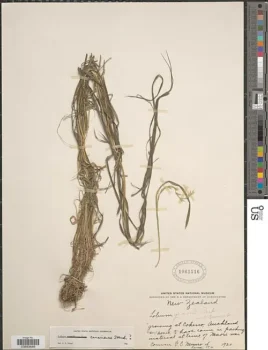
Lolium canariense: A Mystery Grass That Might Not Exist
If you’ve stumbled upon the name Lolium canariense in your plant research, you might be scratching your head trying to find more information about this mysterious grass. Well, you’re not alone – and there’s a good reason why details about this plant are as elusive as a unicorn in your backyard.
The Case of the Missing Grass
Lolium canariense belongs to the graminoid group, which includes grasses and grass-like plants. The genus Lolium is well-known among gardeners and contains familiar species like perennial ryegrass and Italian ryegrass. However, when it comes to canariense, we hit a botanical brick wall.
This particular species name doesn’t appear in major plant databases or taxonomic references, which raises some red flags. It’s possible that this name is either obsolete, incorrectly spelled, or represents a very rare local variant that hasn’t been properly documented in modern botanical literature.
What This Means for Gardeners
If you’re considering planting something labeled as Lolium canariense, pump the brakes! Here’s why:
- The plant you’re looking at might be misidentified
- It could be a different Lolium species with an incorrect label
- You might be dealing with an invasive species masquerading under an obscure name
- The lack of growing information makes successful cultivation nearly impossible
Better Alternatives for Your Garden
Instead of chasing botanical ghosts, consider these well-documented native grass alternatives that will actually thrive in your landscape:
- Buffalo grass (Poaceae family) for drought-tolerant lawns
- Little bluestem for prairie-style plantings
- Native fescue species for cooler climates
- Switchgrass for wildlife habitat
The Importance of Proper Plant Identification
This mysterious case highlights why proper plant identification matters. When you can’t find reliable information about a plant’s native status, growing requirements, or potential invasiveness, it’s best to choose something else. Reputable nurseries and botanical gardens can help you identify plants correctly and suggest appropriate alternatives.
What to Do If You Encounter This Name
If you come across Lolium canariense in plant catalogs or online listings:
- Ask for verification of the plant’s true identity
- Request the source of the identification
- Consider consulting with local botanists or extension services
- Choose a well-documented native grass instead
Remember, successful gardening starts with knowing exactly what you’re planting. When in doubt, stick with plants that have clear identities and well-documented growing requirements. Your garden (and the local ecosystem) will thank you for it!