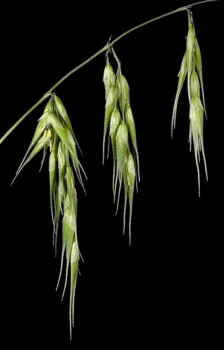
Longflowered Veldtgrass: A South African Grass Finding Its Place in California Gardens
If you’ve ever wandered through California’s coastal areas or Mediterranean-style gardens, you might have encountered a delicate, tufted grass with graceful flower heads swaying in the breeze. Meet longflowered veldtgrass (Ehrharta longiflora), a perennial grass that’s made quite a journey from its South African homeland to establish itself in the Golden State.
What Is Longflowered Veldtgrass?
Longflowered veldtgrass is a perennial grass that belongs to the diverse family of grasses and grass-like plants. True to its common name, this species produces elongated, delicate flower panicles that give it a soft, ornamental appearance. As a non-native species that was introduced to California, it has shown remarkable adaptability, reproducing on its own and persisting in the wild without human assistance.
Where You’ll Find It
Currently, longflowered veldtgrass has established itself primarily in California, where it has found conditions similar to its native South African habitat. The Mediterranean climate of coastal California provides the mild, wet winters and dry summers that this grass evolved to thrive in.
- Species observed
- No observations
Garden Appeal and Landscape Role
From a gardener’s perspective, longflowered veldtgrass offers several appealing characteristics:
- Delicate, ornamental flower heads that add texture and movement to landscapes
- Drought tolerance once established, making it suitable for water-wise gardens
- Low maintenance requirements
- Potential for erosion control on slopes
This grass works well in Mediterranean-style gardens, naturalized areas, and drought-tolerant landscapes where its subtle beauty can be appreciated without overwhelming other plantings.
Growing Conditions and Care
Longflowered veldtgrass is relatively easy to grow if you can provide the right conditions:
- Climate: Best suited for USDA hardiness zones 9-11
- Sunlight: Thrives in full sun to partial shade
- Soil: Prefers well-draining soils and can tolerate various soil types
- Water: Drought tolerant once established, but benefits from occasional deep watering
- Maintenance: Generally low maintenance with minimal care requirements
Things to Consider
While longflowered veldtgrass can be an attractive addition to appropriate gardens, there are a few things to keep in mind:
As a non-native species that readily self-seeds, it’s important to monitor its spread, especially if you’re gardening near natural areas. The grass’s ability to reproduce spontaneously means it could potentially spread beyond your intended planting area.
Since this is a wind-pollinated grass, it doesn’t provide significant benefits to pollinators like bees and butterflies, unlike native flowering plants.
Native Alternatives Worth Considering
If you’re drawn to the aesthetic appeal of longflowered veldtgrass but prefer to support local ecosystems, consider these native California grass alternatives:
- California fescue (Festuca californica)
- Purple needlegrass (Stipa pulchra) – California’s state grass
- Deer grass (Muhlenbergia rigens)
- Blue wildrye (Elymus glaucus)
These native options provide similar ornamental value while supporting local wildlife and maintaining ecological balance.
The Bottom Line
Longflowered veldtgrass can be a lovely addition to Mediterranean and drought-tolerant gardens, offering delicate beauty with minimal care requirements. However, as with any non-native plant, it’s worth considering native alternatives that provide equal beauty while supporting local ecosystems. If you do choose to grow this South African grass, keep an eye on its spread and enjoy its graceful presence in your water-wise landscape.