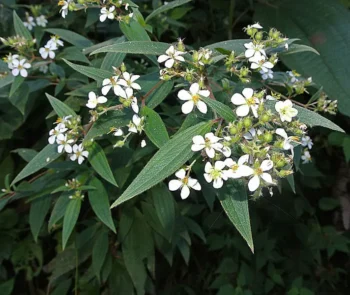
Longleaf Glorytree: A Tropical Beauty for Warm Climate Gardens
If you’re looking to add some tropical flair to your warm-climate garden, the longleaf glorytree (Tibouchina longifolia) might just catch your eye. This eye-catching shrub brings a splash of purple to the landscape, though it comes with some considerations worth knowing before you plant.
What is Longleaf Glorytree?
Longleaf glorytree is a perennial shrub that typically grows as a multi-stemmed woody plant, usually staying under 13-16 feet tall. Originally from South America, this plant has made its way to Hawaii, where it now reproduces on its own in the wild. You might also see it listed under its former scientific name, Rhexia longifolia.
Where Does It Grow?
In the United States, you’ll find longleaf glorytree growing in Hawaii, where it has established itself as a non-native species that reproduces without human help. It’s adapted well to tropical and subtropical conditions, thriving in USDA hardiness zones 9-11.
- Species observed
- No observations
Why Gardeners Love (and Sometimes Question) This Plant
The longleaf glorytree has some undeniable charms that draw gardeners in:
- Stunning purple blooms: The plant produces beautiful purple flowers that can bloom intermittently throughout the year
- Pollinator magnet: Bees and butterflies are drawn to its colorful flowers
- Tropical appeal: Perfect for creating that lush, tropical garden vibe
- Manageable size: As a shrub, it won’t take over your entire yard
However, there’s an important consideration: this plant isn’t native to the areas where it’s commonly grown. While it’s not currently listed as invasive or noxious, its ability to reproduce and persist in the wild means it’s worth thinking carefully about whether it’s the right choice for your garden.
Growing Longleaf Glorytree Successfully
If you decide this plant is right for your garden, here’s how to help it thrive:
Light and Location
Longleaf glorytree performs best in full sun to partial shade. Choose a spot that gets at least 6 hours of sunlight daily for the best flowering.
Soil Requirements
Well-draining soil is key to keeping this shrub happy. It’s not too fussy about soil type, but good drainage will prevent root problems.
Watering Needs
Regular watering is important, especially during dry periods. Keep the soil consistently moist but not waterlogged.
Care and Maintenance
- Prune occasionally to maintain shape and size
- Protect from frost in borderline zones
- Fertilize with a balanced fertilizer during the growing season
- Monitor for any signs of aggressive spreading
Consider Native Alternatives
Since longleaf glorytree isn’t native, you might want to explore native alternatives that can provide similar beauty while supporting local ecosystems. In Hawaii, consider native plants like:
- Native hibiscus species
- Ohia lehua (Metrosideros polymorpha)
- Other indigenous flowering shrubs
These native options will provide habitat for local wildlife while giving you that tropical look you’re after.
The Bottom Line
Longleaf glorytree can be a beautiful addition to warm-climate gardens, offering lovely purple blooms and tropical appeal. However, as a responsible gardener, it’s worth considering native alternatives first. If you do choose to grow it, keep an eye on its behavior in your garden and be prepared to manage it responsibly. After all, the best gardens are those that enhance rather than disrupt the local ecosystem.