Longstamen Rice: A Noxious Weed You Should Never Plant
If you’ve stumbled upon information about longstamen rice (Oryza longistaminata) and wondered whether it might make a good addition to your garden, let me save you some trouble right upfront: don’t plant it! This African grass might sound exotic and interesting, but it’s actually classified as a noxious weed in the United States, and there are excellent reasons why.
What is Longstamen Rice?
Longstamen rice is a tall, grass-like plant that belongs to the same family as cultivated rice. As its common name suggests, this plant is characterized by its notably long stamens – the pollen-producing parts of its flowers. Originally from Sub-Saharan Africa, this species has found its way to other parts of the world, where it’s become a significant problem.
Why This Plant is Problematic
Here’s the big red flag: longstamen rice is officially listed as a noxious weed in the United States. This classification isn’t given lightly – it means this plant poses a serious threat to our native ecosystems, agriculture, or both. Noxious weeds are typically:
- Highly invasive and aggressive spreaders
- Difficult to control once established
- Harmful to native plant communities
- Potentially damaging to agricultural systems
Native Range and Current Distribution
Longstamen rice is native to the wetland areas of Sub-Saharan Africa, where it grows naturally in marshy environments and along waterways. In its native habitat, it’s kept in check by natural predators, diseases, and competition from other native species.
Growth Characteristics
This grass can grow quite tall, typically reaching 3-6 feet in height, and thrives in wetland conditions. It’s a moisture-loving plant that establishes readily in marshy areas, pond edges, and other consistently wet environments. The plant is wind-pollinated and produces seeds that can spread easily through water and other means.
Why You Shouldn’t Plant It
Beyond its official noxious weed status, there are several practical reasons to avoid longstamen rice:
- It can quickly overtake native wetland plants
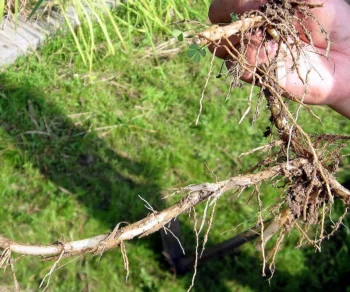
- Once established, it’s extremely difficult to remove
- It offers minimal benefits to native wildlife and pollinators
- Planting it may actually be illegal in your area
- It can spread to neighboring properties and natural areas
Better Native Alternatives
Instead of risking the problems that come with longstamen rice, consider these native wetland grasses and grass-like plants that provide similar aesthetic appeal without the environmental risks:
- Wild rice (Zizania species) – offers food for wildlife
- Sedges (Carex species) – excellent for wetland gardens
- Native bulrushes (Scirpus species) – provide habitat for birds
- Sweet flag (Acorus americanus) – attractive grass-like appearance
What to Do If You Find It
If you suspect you’ve found longstamen rice growing in your area, don’t attempt to remove it yourself. Contact your local agricultural extension office or invasive species management program. They can properly identify the plant and advise on appropriate removal methods.
The Bottom Line
While longstamen rice might seem like an interesting addition to a wetland garden, its classification as a noxious weed makes it a definite no-go. The risks to our native ecosystems far outweigh any potential benefits. Instead, focus on native wetland plants that will provide beauty, habitat, and ecological benefits without the invasive baggage. Your local ecosystem will thank you for making the responsible choice!