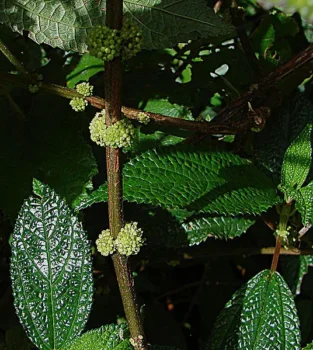
Lopleaf (Cypholophus): A Mysterious Shrub in Hawaiian Landscapes
If you’ve stumbled across the name lopleaf or its botanical counterpart Cypholophus while researching plants for your garden, you’re not alone in wondering what exactly this plant is all about. This perennial shrub presents something of a botanical puzzle, with limited information available about its characteristics and growing requirements.
What Is Lopleaf?
Lopleaf is a perennial, multi-stemmed woody shrub that typically grows to heights of 13-16 feet (4-5 meters). Like most shrubs, it develops several stems arising from or near ground level, though under certain environmental conditions it may grow taller or develop a more single-stemmed appearance.
Where Does It Grow?
Currently, Cypholophus is documented as growing in Hawaii, where it has established itself as a non-native species. This means it was originally introduced from elsewhere but has successfully naturalized, reproducing on its own without human intervention and persisting in Hawaiian ecosystems.
- Species observed
- No observations
Should You Plant Lopleaf in Your Garden?
Here’s where things get tricky. While this shrub isn’t currently listed as invasive or noxious, the lack of detailed information about its growth habits, spread potential, and ecological impact makes it difficult to recommend with confidence. As a responsible gardener, especially if you’re in Hawaii or similar tropical climates, you might want to consider native alternatives instead.
Consider Native Alternatives
If you’re gardening in Hawaii and looking for native shrub options, consider exploring indigenous Hawaiian plants that will better support local wildlife and ecosystems. Native plants are typically better adapted to local conditions and require less maintenance once established.
The Mystery Factor
One of the challenges with Cypholophus is the limited available information about its:
- Specific growing conditions and soil preferences
- Water requirements and drought tolerance
- Benefits to pollinators and wildlife
- Potential invasive characteristics
- Propagation methods and care requirements
- Hardiness zones and climate adaptability
A Word of Caution
When encountering plants with limited documentation, it’s always wise to err on the side of caution. Before introducing any non-native species to your garden, especially in sensitive ecosystems like those found in Hawaii, consider consulting with local native plant societies, botanical gardens, or extension services for guidance.
The Bottom Line
While lopleaf might sound intriguing, the lack of comprehensive growing information and its non-native status in Hawaii suggest it’s probably not the best choice for most home gardeners. Instead, focus on well-documented native plants that will thrive in your specific location while supporting local ecosystems. Your garden—and your local environment—will thank you for it!