Loquat: The Sweet Surprise Your Garden Didn’t Know It Needed
Meet the loquat (Eriobotrya japonica) – a delightful evergreen tree that’s been quietly winning over gardeners with its unique charm and delicious rewards. This perennial beauty offers year-round interest and spring treats that’ll have you wondering why more people don’t know about this garden gem.
What Exactly Is a Loquat?
The loquat, botanically known as Eriobotrya japonica, is a medium-sized evergreen tree that brings both ornamental beauty and edible rewards to your landscape. Also known by the synonym Mespilus japonica, this tree typically grows 13 to 16 feet tall, though under certain conditions it may develop a shorter, multi-stemmed form.
Originally hailing from southeastern China, the loquat has made itself at home in warmer regions across the United States. You’ll find established populations growing in California, Florida, Georgia, Hawaii, Louisiana, and Puerto Rico, where this non-native species has adapted well to local conditions.
- Species observed
- No observations
Why Your Garden Might Love a Loquat
There’s something wonderfully quirky about a tree that blooms when everything else is settling in for winter. Loquats produce clusters of small, fragrant white to cream flowers from fall through winter – a time when pollinators are desperately seeking nectar sources. This makes them incredibly valuable for supporting local bee populations during the lean months.
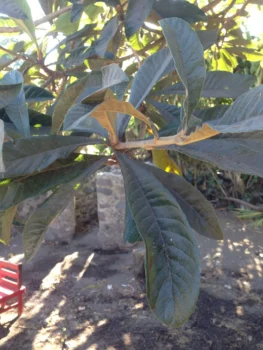
But the real payoff comes in spring when those flowers transform into clusters of orange to yellow fruits that taste like a cross between an apricot and a plum. The large, leathery, dark green leaves with fuzzy undersides provide attractive year-round foliage that adds tropical flair to any landscape.
Where Loquats Shine in Your Landscape
Loquats work beautifully as:
- Specimen trees in Mediterranean or subtropical gardens
- Edible landscaping centerpieces
- Shade trees for patios and outdoor living spaces
- Ornamental additions to mixed plantings
These trees are obligate upland plants, meaning they prefer well-drained locations and rarely occur in wetland areas (though in Hawaii they’re slightly more tolerant of occasional moisture).
Growing Conditions and Care
Loquats are surprisingly low-maintenance once you understand their preferences. They thrive in USDA hardiness zones 8-10, making them perfect for warmer climates. Here’s what they need to flourish:
- Light: Full sun to partial shade
- Soil: Well-draining soil (they hate wet feet!)
- Water: Regular watering until established, then quite drought tolerant
- Protection: Shelter from strong winds to protect those lovely large leaves
Planting and Care Tips
Getting your loquat off to a good start is straightforward:
- Plant in well-draining soil – this cannot be overstated
- Water consistently during the first growing season
- Prune lightly after fruiting to maintain shape
- Mulch around the base to retain moisture and suppress weeds
- Be patient – young trees may take a few years to start fruiting
Wildlife and Pollinator Benefits
One of the loquat’s greatest contributions to your garden ecosystem is its winter blooming habit. When most plants are dormant, loquat flowers provide crucial nectar for bees, butterflies, and other pollinators. The fruits also attract birds, though you might find yourself in friendly competition with them for the harvest!
Should You Plant a Loquat?
While loquats aren’t native to the United States, they’ve proven to be well-behaved additions to appropriate climates without showing aggressive invasive tendencies. However, if you’re passionate about native-only gardening, consider these native alternatives that offer similar benefits:
- American persimmon (Diospyros virginiana) for edible fruits
- Southern magnolia (Magnolia grandiflora) for evergreen structure
- Native fruit trees like pawpaw (Asimina triloba) in suitable regions
Ultimately, loquats make excellent additions to edible landscapes and ornamental gardens in zones 8-10. They’re relatively pest-free, provide year-round interest, support pollinators during crucial winter months, and reward you with delicious fruits. Just remember to give them the well-drained conditions they crave, and you’ll have a productive and beautiful tree for years to come.