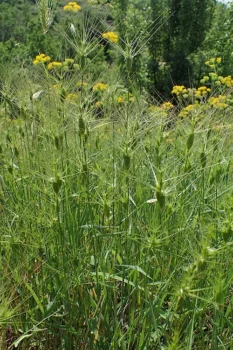
Lorent’s Goatgrass: A Mediterranean Grass for Specialty Gardens
Meet Lorent’s goatgrass (Aegilops lorentii), a lesser-known member of the wheat family that brings a touch of Mediterranean charm to specialty gardens. While it might not be the showstopper of your landscape, this modest annual grass has its own unique appeal for gardeners interested in botanical diversity or Mediterranean-themed plantings.
What is Lorent’s Goatgrass?
Lorent’s goatgrass is an annual grass that belongs to the same family as wheat and other cereal grains. You might also see it listed under its botanical synonym, Aegilops biuncialis. As a graminoid (grass-like plant), it shares characteristics with other members of the grass family, producing the familiar seed heads and slender leaves we associate with wild grasses.
Where Does It Come From?
This grass hails from the Mediterranean region, particularly the eastern Mediterranean areas. It’s adapted to the warm, dry summers and mild, wet winters typical of Mediterranean climates. Its native range includes areas where many of our familiar garden herbs and vegetables also originate.
Garden Appeal and Landscape Role
Let’s be honest – Lorent’s goatgrass isn’t going to win any beauty contests in your flower border. Its appeal lies more in its subtle, naturalistic presence and its value for gardeners interested in:
- Mediterranean-themed gardens
- Naturalistic prairie or grassland plantings
- Botanical collections
- Educational gardens focusing on grain relatives
The grass produces modest seed heads that add texture and movement to plantings, especially when caught by a gentle breeze.
Growing Conditions and Care
If you’re intrigued by this Mediterranean native, here’s what it needs to thrive:
Climate Requirements: Lorent’s goatgrass performs best in USDA hardiness zones 8-10, where it can experience the Mediterranean-style climate it’s adapted to.
Soil and Sun: Provide well-drained soil and full sun exposure. This grass doesn’t appreciate soggy conditions and thrives in the lean, well-draining soils typical of Mediterranean regions.
Water Needs: Once established, it’s quite drought-tolerant, following the Mediterranean pattern of wet winters and dry summers.
Planting and Maintenance
As an annual grass, Lorent’s goatgrass completes its life cycle in one growing season. It can self-seed in favorable conditions, potentially returning year after year without much intervention from you. Sow seeds in fall or early spring, depending on your climate.
Maintenance is minimal – simply allow the plant to complete its cycle and collect seeds if you want to ensure next year’s crop.
Should You Grow It?
Lorent’s goatgrass appeals to a specific type of gardener – one who appreciates botanical diversity and Mediterranean flora. While it’s not considered invasive in most areas, it’s worth noting that native grass alternatives might provide better wildlife benefits for your local ecosystem.
Consider native grass species that offer similar aesthetic qualities but provide food and habitat for local wildlife, including birds and beneficial insects. Your local extension office can recommend native grasses suited to your specific region.
The Bottom Line
Lorent’s goatgrass is a plant for the curious gardener who enjoys exploring botanical diversity. While it won’t transform your landscape, it can add an interesting element to Mediterranean gardens or naturalistic plantings. Just remember to consider native alternatives that might better serve your local ecosystem while providing similar aesthetic benefits.