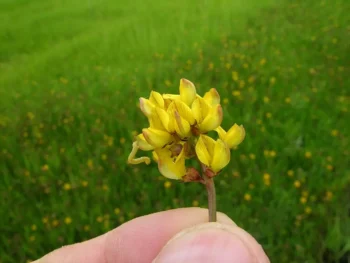
Lotononis: An Uncommon Shrub with Limited Garden Documentation
If you’ve stumbled across the name lotononis (Lotononis bainesii) in your plant research, you’re not alone in finding limited information about this particular species. This perennial shrub represents one of those plants that exists in botanical records but has little presence in mainstream gardening circles.
What We Know About Lotononis
Lotononis bainesii is a perennial, multi-stemmed woody shrub that typically grows less than 13-16 feet tall. Like other shrubs, it usually develops several stems from or near ground level, though environmental conditions can influence its growth pattern. This species belongs to the legume family, which suggests it likely produces small, pea-like flowers characteristic of its relatives.
Native Status and Distribution
This plant is not native to the United States. It’s been introduced and has established itself in Florida, where it reproduces without human assistance. The species appears to have African origins, as the Lotononis genus is predominantly found on that continent.
- Species observed
- No observations
The Challenge: Limited Garden Information
Here’s where things get tricky for gardeners. Despite being documented in Florida, there’s remarkably little information available about Lotononis bainesii’s:
- Specific growing requirements
- Ornamental value
- Care instructions
- Potential benefits or drawbacks in garden settings
- Invasive potential
This lack of documentation suggests it’s either extremely rare in cultivation or simply hasn’t gained attention from the gardening community.
Should You Plant Lotononis?
Given the limited information available, most gardeners would be better served choosing plants with well-documented characteristics and growing requirements. The uncertainty around this species’ behavior, needs, and potential impacts makes it a risky choice for home gardens.
Better Alternatives for Florida Gardeners
Instead of gambling with an undocumented species, consider these well-researched Florida native shrubs that offer proven garden value:
- Firebush (Hamelia patens) – Attracts butterflies and hummingbirds
- Beautyberry (Callicarpa americana) – Stunning purple berries for birds
- Coontie (Zamia integrifolia) – Ancient cycad perfect for low-maintenance landscapes
- Wild Coffee (Psychotria nervosa) – Shade-tolerant with attractive berries
The Bottom Line
While Lotononis bainesii exists in Florida’s plant records, its obscurity in gardening literature speaks volumes. For most gardeners, especially those interested in supporting local ecosystems, choosing well-documented native plants will provide more reliable results and environmental benefits. Sometimes the most exotic-sounding option isn’t the best garden choice – and this appears to be one of those times.
If you’re determined to grow unusual plants, focus your energy on rare natives that need conservation support rather than non-native species with unknown garden potential.