Lotus alpinus: A Hardy Alpine Charmer for Rock Gardens
If you’ve been searching for a tough, low-maintenance plant that can handle challenging conditions while adding cheerful color to your garden, Lotus alpinus might just be the answer. This resilient alpine perennial brings a touch of European mountain meadow charm to North American gardens, though it’s worth considering native alternatives for your local ecosystem.
What is Lotus alpinus?
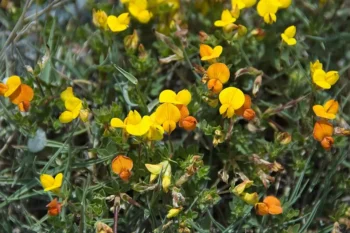
Lotus alpinus is a hardy perennial legume that hails from the high-altitude regions of Europe’s mountain ranges. You might also see it listed under its synonym, Lotus corniculatus var. alpinus. This compact plant produces bright golden-yellow, pea-like flowers that seem to glow against rocky terrain and poor soils where many other plants struggle to survive.
Where Does It Come From?
This alpine beauty is native to the mountainous regions of Europe, including the Alps, Pyrenees, and other European mountain ranges. It’s perfectly adapted to the harsh conditions of high-altitude environments, including intense sun, dramatic temperature swings, and nutrient-poor soils.
What Does It Look Like?
Lotus alpinus forms low, spreading mats of small, compound leaves with distinctive bright yellow flowers that bloom throughout the summer months. The flowers have the classic pea family shape and are incredibly vibrant, creating stunning displays when planted in groups. This plant stays relatively compact, making it perfect for tucking into rock crevices or using as ground cover in challenging spots.
Garden Uses and Design Role
This adaptable plant excels in several garden situations:
- Rock gardens where it can cascade over stones
- Alpine and xerophytic garden designs
- Ground cover for slopes and challenging areas
- Naturalized meadow plantings
- Container gardens with good drainage
Growing Conditions
Lotus alpinus thrives in conditions that would stress many other plants:
- Sunlight: Full sun is essential for best flowering
- Soil: Well-draining soil is crucial; tolerates poor, rocky, or sandy soils
- Water: Drought-tolerant once established; avoid overwatering
- USDA Zones: Hardy in zones 3-7
Planting and Care Tips
One of the best things about Lotus alpinus is how easy it is to grow:
- Direct sow seeds in spring or fall for best results
- Minimal care required once established
- As a legume, it actually improves soil by fixing nitrogen
- Self-seeds readily in suitable conditions
- No fertilization needed – it actually prefers lean soils
Benefits to Wildlife
The bright yellow flowers are magnets for various pollinators, including bees and butterflies. The nectar-rich blooms provide valuable food sources throughout the summer blooming period, making this plant a friend to beneficial insects in your garden.
Should You Plant It?
Lotus alpinus can be a wonderful addition to the right garden situation, especially if you have challenging growing conditions or want to create an alpine-themed landscape. However, since it’s not native to North America, consider exploring native alternatives that might provide similar benefits to your local ecosystem.
Some excellent native alternatives to consider include wild lupine (Lupinus perennis), wild bergamot (Monarda fistulosa), or native clovers, depending on your region. These plants will provide similar nitrogen-fixing benefits and pollinator support while being perfectly suited to your local environment.
If you do choose to grow Lotus alpinus, it’s a relatively low-impact choice that isn’t known to be invasive, making it a reasonable option for gardeners who appreciate its unique alpine character and exceptional hardiness.