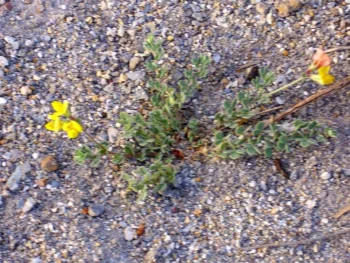
Lotus glareosus: The Mystery Plant That Might Not Exist
If you’ve stumbled upon the name Lotus glareosus while researching native plants for your garden, you’re not alone in scratching your head. This particular plant name presents quite the botanical puzzle, and there’s a good reason why you’re having trouble finding information about it.
The Search for Lotus glareosus
Despite extensive searching through botanical databases, scientific literature, and horticultural resources, reliable information about a plant specifically named Lotus glareosus is virtually non-existent. This raises some red flags that every gardener should be aware of:
- The name may be a misidentification or misspelling of another Lotus species
- It could be an extremely rare species with limited documentation
- It might be a regional name that isn’t widely recognized in botanical circles
What We Know About the Lotus Genus
While we can’t provide specific details about Lotus glareosus, the Lotus genus does include many legitimate species that are well-documented and valued by gardeners. These plants are typically members of the legume family and can offer various benefits to native gardens.
A Word of Caution for Gardeners
When you encounter plant names that can’t be verified through reliable sources, it’s best to proceed with caution. Here’s what we recommend:
- Double-check the spelling and scientific name with multiple botanical sources
- Consult with local native plant societies or extension offices
- Consider well-documented alternatives from the same genus
- Always source plants from reputable nurseries that can verify plant identities
Better Alternatives to Consider
Instead of searching for the elusive Lotus glareosus, consider these verified and valuable native Lotus species that might be appropriate for your region:
- Research documented Lotus species native to your specific area
- Consult local native plant guides for your region
- Work with native plant specialists who can recommend suitable alternatives
The Bottom Line
While Lotus glareosus remains a botanical mystery, this experience highlights the importance of using reliable sources when planning your native garden. When plant names can’t be verified, it’s always better to choose well-documented native species that you can confidently identify, source responsibly, and grow successfully.
If you have specific information about Lotus glareosus from a credible botanical source, we’d love to learn more. Until then, we recommend focusing your native gardening efforts on plants with established identities and proven track records in cultivation.