Lotus Sweetjuice: What Every Gardener Should Know About This Wetland Wanderer
If you’ve stumbled across a low-growing plant with small, star-like flowers in wet areas of your garden, you might be looking at lotus sweetjuice (Glinus lotoides). This little annual has quite the story to tell – and some important considerations for native plant enthusiasts.
What is Lotus Sweetjuice?
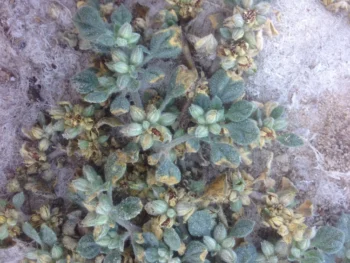
Lotus sweetjuice, scientifically known as Glinus lotoides, is an annual forb that belongs to the group of vascular plants without significant woody tissue. Think of it as nature’s carpet – it grows low to the ground and spreads outward rather than reaching for the sky. You might also see it listed under its synonym Mollugo lotoides in older plant references.
This modest plant produces tiny, inconspicuous flowers and has a mat-forming growth habit that allows it to cover ground quickly in the right conditions.
Where You’ll Find It Growing
Here’s where things get interesting: lotus sweetjuice isn’t actually native to North America. This world traveler originally hails from Africa and parts of Asia but has made itself quite at home across several U.S. states. You can currently find established populations in Arizona, Arkansas, California, Kansas, Louisiana, Missouri, Oklahoma, and Texas.
- Species observed
- No observations
The plant has proven remarkably adaptable, reproducing spontaneously in the wild without any human help and persisting across diverse climatic conditions.
A Plant That Loves Its Water
One of lotus sweetjuice’s most notable characteristics is its strong preference for wet conditions. Depending on your region, this plant shows different levels of wetland dependency:
- In the Arid West, Midwest, and Western Mountains regions: It’s considered an Obligate Wetland species, meaning it almost always occurs in wetlands
- In the Atlantic and Gulf Coastal Plain, Eastern Mountains and Piedmont, and Great Plains regions: It’s classified as Facultative Wetland, usually found in wetlands but occasionally in drier areas
If you have consistently moist or wet areas in your landscape, this is where you’re most likely to encounter lotus sweetjuice.
Should You Plant Lotus Sweetjuice?
While lotus sweetjuice isn’t classified as invasive or noxious, its non-native status gives us pause as native plant advocates. This annual can establish and spread readily in suitable conditions, potentially competing with native wetland species that local wildlife depends on.
Rather than intentionally planting lotus sweetjuice, consider these native alternatives that provide similar ground-covering benefits while supporting local ecosystems:
- Native sedges (Carex species) for year-round wetland ground cover
- Swamp milkweed (Asclepias incarnata) for pollinator support
- Blue flag iris (Iris versicolor) for stunning wetland color
- Cardinal flower (Lobelia cardinalis) for hummingbird habitat
If It Shows Up Anyway
Sometimes plants choose us rather than the other way around! If lotus sweetjuice appears naturally in your wetland areas, you don’t need to panic. It’s not causing ecological disasters, but you might want to keep an eye on it and consider gradually replacing it with native species over time.
The plant’s annual nature means it completes its entire life cycle in one growing season, so populations can fluctuate from year to year based on conditions.
The Bottom Line
Lotus sweetjuice represents one of those interesting botanical citizens of the world – a plant that’s found its niche far from its original home. While it’s not causing major problems, native plant gardeners have wonderful opportunities to choose indigenous wetland species that will provide greater benefits to local wildlife and create more resilient, regionally appropriate landscapes.
Remember, every plant choice in our gardens is a vote for the kind of ecosystem we want to support. When in doubt, go native – your local birds, butterflies, and beneficial insects will thank you!