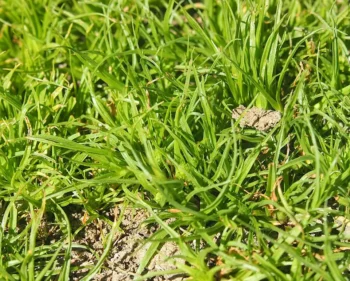
Low Flatsedge: A Small Sedge for Wet Garden Spots
If you’ve been searching for a grass-like plant to fill those perpetually soggy spots in your garden, you might have come across low flatsedge (Cyperus pumilus). This diminutive annual sedge has quietly established itself in several southeastern states, though it’s not originally from North America. Let’s dive into what makes this little plant tick and whether it deserves a spot in your landscape.
What Exactly Is Low Flatsedge?
Low flatsedge belongs to the sedge family (Cyperaceae), making it a close relative of grasses but with some distinct differences. As its name suggests, this is a low-growing annual plant that completes its entire life cycle in one growing season. Unlike true grasses, sedges typically have triangular stems and different flower structures, though you’d need to look closely to spot these differences in such a small plant.
Where You’ll Find It Growing
Currently, low flatsedge has made itself at home in Alabama, Florida, Georgia, Guam, and some U.S. Minor Outlying Islands. This distribution pattern tells us quite a bit about its preferences – it clearly likes warm, humid climates and has found the southeastern United States to its liking.
- Species observed
- No observations
Since this species isn’t native to North America, it likely arrived here through human activity, though it now reproduces and persists on its own in the wild.
The Wet and Wild Lifestyle
Here’s where things get interesting for gardeners dealing with challenging wet spots. Low flatsedge is classified as a facultative wetland plant, which means it usually hangs out in wetlands but can tolerate drier conditions when needed. This flexibility makes it potentially useful for those tricky areas that are sometimes soggy, sometimes just moist.
If you’re dealing with:
- Poorly drained areas that stay wet after rain
- Edges of ponds or water features
- Low spots in your yard that collect water
- Rain garden areas
Then you might find this little sedge could work in your landscape.
Should You Plant Low Flatsedge?
Here’s the balanced truth: while low flatsedge isn’t currently listed as invasive or problematic, it’s also not native to most areas where it’s now growing. This puts it in a gray area for environmentally conscious gardeners.
The plant appears to be relatively well-behaved – there’s no indication it’s causing ecological problems or aggressively taking over native plant communities. However, given the choice, you might want to consider native alternatives that could provide similar benefits while supporting local ecosystems.
Native Alternatives to Consider
Before settling on low flatsedge, consider these native sedges that might serve similar purposes:
- Native Cyperus species appropriate to your region
- Local sedges (Carex species) suited to wet conditions
- Native rushes (Juncus species) for consistently moist areas
Your local native plant society or extension office can help you identify the best native options for your specific location and growing conditions.
Growing Conditions and Care
If you do decide to work with low flatsedge, here’s what it seems to prefer:
- Moisture: Consistently moist to wet soil conditions
- Climate: Warm, humid conditions (likely USDA zones 8-11)
- Soil: Tolerates various soil types as long as moisture needs are met
- Maintenance: As an annual, it will need to reseed each year
Keep in mind that detailed growing information for this specific species is limited, so you might need to experiment to see how it performs in your particular conditions.
The Bottom Line
Low flatsedge represents one of those middle ground plants – not invasive enough to avoid entirely, but not native enough to champion enthusiastically. If you’re dealing with challenging wet areas and can’t find suitable native alternatives, it might serve as a temporary solution. However, most gardeners would be better served by seeking out native sedges and wetland plants that provide similar benefits while supporting local wildlife and ecosystems.
Remember, the best garden choices are usually the ones that work with your local environment rather than against it. When in doubt, go native – your local pollinators, birds, and soil organisms will thank you for it.