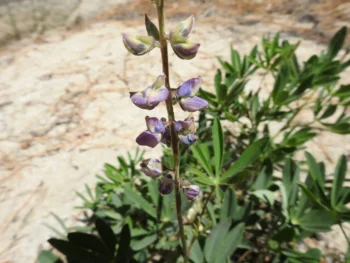
Lupinus latifolius wigginsii: The Mysterious Lupine Variety
If you’ve stumbled across the name Lupinus latifolius wigginsii in your plant research, you’re not alone in wondering what exactly this plant is. This particular lupine variety is something of a botanical mystery, with very limited information available even in scientific databases.
What We Know (And Don’t Know)
Lupinus latifolius wigginsii is scientifically classified as a variety of broadleaf lupine, with the synonym Lupinus latifolius Lindl. ex J. Agardh var. wigginsii C.P. Sm. However, beyond this taxonomic classification, concrete information about this specific variety is remarkably scarce.
Unfortunately, we don’t have reliable information about:
- Common names for this variety
- Its native range or geographical distribution
- Growth characteristics and appearance
- Preferred growing conditions
- Conservation status or rarity
- Wildlife and pollinator benefits
The Challenge of Rare Varieties
The lack of available information suggests this may be either an extremely rare variety, a taxonomically disputed classification, or a plant that exists primarily in specialized scientific collections. This presents a challenge for home gardeners who might be interested in growing it.
What Should Gardeners Do?
Given the uncertainty surrounding Lupinus latifolius wigginsii, here’s our recommendation:
Exercise caution. Without knowing the plant’s conservation status, native range, or ecological impact, it’s difficult to make informed decisions about cultivation. If you encounter seeds or plants sold under this name, we’d recommend:
- Verifying the source and authenticity of the plant material
- Checking with local botanical experts or extension services
- Considering well-documented native lupine alternatives for your region
Better-Known Lupine Alternatives
If you’re drawn to lupines for your garden, consider exploring well-documented native species in your area. Many regions have beautiful native lupines with known growing requirements, ecological benefits, and established sources for responsibly obtained seeds or plants.
Local native plant societies, botanical gardens, and extension services can help you identify lupine species that are appropriate for your specific location and garden goals.
The Bottom Line
While Lupinus latifolius wigginsii remains an intriguing botanical puzzle, the lack of available information makes it an impractical choice for most home gardeners. Sometimes the most responsible approach is to admire the mystery from afar while choosing better-documented alternatives that we know will thrive in our gardens and support local ecosystems.
If you have specific information about this variety or have encountered it in your botanical adventures, we’d love to hear from you. The world of native plants is full of discoveries waiting to be made!