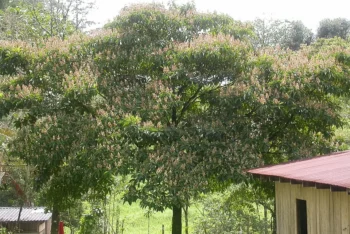
Luquillo Mountain Snailwood: A Caribbean Tree with Limited Garden Information
If you’ve stumbled upon the name Luquillo Mountain snailwood (Conostegia rufescens), you might be wondering whether this Caribbean tree deserves a spot in your landscape. This perennial tree species has an intriguing backstory, though information about its garden performance remains somewhat mysterious.
What is Luquillo Mountain Snailwood?
Luquillo Mountain snailwood is a tree species that can grow quite impressive in stature, typically reaching heights greater than 13-16 feet. Like most trees, it develops a single trunk under normal conditions, though environmental factors can sometimes encourage a more shrubby, multi-stemmed growth habit.
This species goes by a few different botanical names in scientific literature, including Conostegia hotteana and Conostegia puberula, which can make research a bit confusing for gardeners trying to learn more about it.
Where Does It Come From?
Here’s where things get interesting from a native gardening perspective. While Luquillo Mountain snailwood grows in Puerto Rico, it’s actually considered a non-native species there. This means it was introduced to the region but has established itself so well that it now reproduces on its own in the wild without human assistance.
- Species observed
- No observations
Growing Conditions and Adaptability
One thing we do know about this tree is that it’s quite adaptable when it comes to moisture conditions. It has a facultative wetland status, meaning it’s equally happy growing in both wetland and non-wetland environments. This flexibility could make it an interesting choice for gardeners dealing with variable soil moisture conditions.
Should You Plant It?
This is where things get tricky. With limited information available about Luquillo Mountain snailwood’s garden performance, growth rate, and potential impacts, it’s difficult to give a strong recommendation either way. We don’t currently know:
- How quickly it grows
- What pollinators it might attract
- Whether it provides significant wildlife benefits
- Its preferred growing conditions
- Whether it has any invasive tendencies
Native Alternatives to Consider
Given the limited information about Luquillo Mountain snailwood and its non-native status, you might want to consider native tree species instead. Native plants typically offer several advantages:
- Better support for local wildlife and pollinators
- Adaptation to local climate and soil conditions
- Lower maintenance requirements
- No risk of becoming invasive
Research native trees in your specific region that can provide similar height and structure if you’re looking for a substantial tree addition to your landscape.
The Bottom Line
Luquillo Mountain snailwood remains something of an enigma in the gardening world. While it’s clearly capable of thriving in various moisture conditions and can grow into an impressive tree, the lack of detailed horticultural information makes it difficult to recommend confidently.
If you’re committed to diverse plantings and are curious about less common species, this tree might be worth investigating further. However, most gardeners would probably be better served by choosing well-documented native alternatives that offer known benefits to local ecosystems.
As always, when considering any non-native plant, it’s wise to check with your local extension office or native plant society for guidance specific to your area.