MaCrae’s Spleenwort: A Delicate Fern for Hawaiian Gardens
If you’ve been wandering through Hawaii’s shaded forests or exploring naturalistic gardens, you might have encountered a charming little fern called MaCrae’s spleenwort (Asplenium macraei). This delicate perennial fern has quietly made itself at home in the Hawaiian islands, adding its own subtle beauty to the tropical landscape.
What is MaCrae’s Spleenwort?
MaCrae’s spleenwort is a member of the spleenwort family, known for their typically small to medium-sized fronds and preference for shady, moist conditions. This particular species has established itself as a naturalized resident of Hawaii, meaning it reproduces on its own in the wild without human intervention. While it’s not originally native to the islands, it has found a comfortable niche in Hawaii’s ecosystem.
You might also see this fern referenced by its botanical synonyms, including Asplenium sphenolobum, though MaCrae’s spleenwort or simply Asplenium macraei are the most commonly used names.
Where Does It Grow?
Currently, MaCrae’s spleenwort is found throughout Hawaii, where it has adapted well to the tropical climate. As a facultative upland species, it typically prefers non-wetland areas but can occasionally tolerate wetter conditions when necessary.
- Species observed
- No observations
What Does It Look Like?
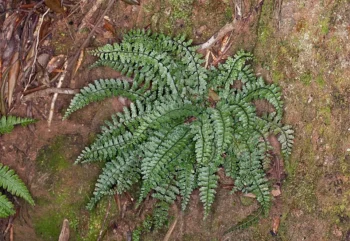
This elegant fern displays the classic spleenwort characteristics: delicate, lacy fronds that create an almost ethereal appearance in shaded gardens. The bright green foliage adds a fresh, vibrant touch to darker areas where many other plants struggle to thrive. Its relatively compact size makes it an excellent choice for smaller spaces or as part of a layered planting scheme.
Should You Grow MaCrae’s Spleenwort?
While MaCrae’s spleenwort can be an attractive addition to appropriate gardens, it’s worth considering native Hawaiian fern alternatives first. Hawaii boasts numerous beautiful native ferns that are perfectly adapted to local conditions and support native ecosystems. That said, since this species isn’t considered invasive or problematic, it can be a reasonable choice for gardeners who appreciate its particular aesthetic qualities.
This fern works especially well in:
- Shade gardens that need delicate texture
- Tropical and subtropical landscapes
- Naturalistic plantings that mimic forest understories
- Areas where you want low-maintenance ground cover
Growing Tips for Success
If you decide to include MaCrae’s spleenwort in your garden, here’s what you need to know:
Light Requirements: This fern much prefers shade to partial shade. Direct sunlight can quickly damage the delicate fronds, so choose your location carefully.
Soil Needs: Like most ferns, it appreciates organic-rich, well-draining soil that stays consistently moist but never waterlogged. Think forest floor conditions – that’s the sweet spot.
Climate Considerations: Being established in Hawaii gives you a clue about its preferences. It thrives in warm, humid conditions typical of USDA zones 9-11.
Maintenance: Once established, this perennial fern is relatively low-maintenance. Regular watering during dry periods and occasional removal of old fronds will keep it looking its best.
The Bottom Line
MaCrae’s spleenwort offers gardeners in suitable climates an attractive, low-maintenance fern option for shaded areas. While it’s not native to Hawaii, it has proven to be a well-behaved naturalized species that can add delicate beauty to appropriate garden settings. Just remember to consider native alternatives first – Hawaii’s indigenous ferns are equally beautiful and provide irreplaceable benefits to local wildlife and ecosystems.
Whether you choose this species or opt for native alternatives, any fern addition will bring that lush, tropical feel that makes Hawaiian gardens so special.