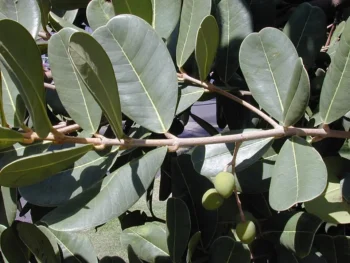
Madagascar Olive: A Lesser-Known Shrub with Limited Garden Appeal
If you’ve stumbled across the name Madagascar olive (Noronhia emarginata), you might be wondering whether this shrub deserves a spot in your garden. Well, you’re in for a bit of a mystery – this is one of those plants that keeps a pretty low profile in the gardening world.
What Exactly Is Madagascar Olive?
Madagascar olive is a perennial shrub that typically grows as a multi-stemmed woody plant, usually staying under 13-16 feet tall. Like most shrubs, it develops several stems from near ground level, creating that classic bushy appearance we associate with shrub-form plants.
Where Does It Come From and Where Can You Find It?
As the name suggests, this plant originally hails from Madagascar. However, it’s made its way to the United States and has established itself in Florida, where it now grows wild and reproduces on its own without any human help.
- Species observed
- No observations
Should You Plant Madagascar Olive?
Here’s where things get tricky. While Madagascar olive isn’t listed as invasive or noxious, it is a non-native species that has naturalized in Florida. This means it’s found its own way to thrive in our ecosystems, but we don’t have a complete picture of its long-term impact.
The bigger challenge? There’s surprisingly little information available about this plant’s garden performance, care requirements, or aesthetic qualities. This lack of horticultural knowledge makes it a risky choice for most gardeners.
Consider Native Alternatives Instead
Since Madagascar olive offers uncertain benefits and limited growing information, why not explore some fantastic native alternatives? Florida gardeners have access to wonderful native shrubs like:
- American beautyberry (Callicarpa americana) – gorgeous purple berries and wildlife magnet
- Firebush (Hamelia patens) – stunning orange-red flowers that hummingbirds adore
- Wild coffee (Psychotria nervosa) – glossy leaves and bright red berries
- Coontie (Zamia integrifolia) – unique cycad that supports specialized butterflies
What We Don’t Know (And Why That Matters)
The truth is, there are significant gaps in our knowledge about Madagascar olive, including:
- Specific growing conditions and care requirements
- USDA hardiness zones
- Wildlife and pollinator benefits
- Potential invasive tendencies
- Landscape design applications
This lack of information makes it difficult to recommend Madagascar olive for garden use, especially when there are so many well-documented native options available.
The Bottom Line
While Madagascar olive might be an interesting botanical curiosity, it’s not the best choice for most gardens. The combination of limited growing information, non-native status, and uncertainty about its ecological impact makes it a questionable addition to your landscape.
Instead, consider exploring the incredible diversity of native Florida plants that offer known benefits to local wildlife, proven garden performance, and the satisfaction of supporting your local ecosystem. Your garden – and the local birds, butterflies, and other wildlife – will thank you for it!