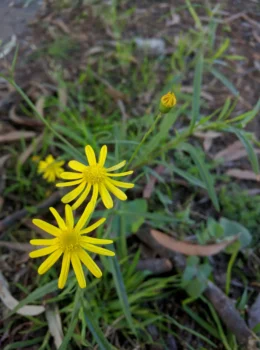
Madagascar Ragwort: A Beautiful Plant You Should Avoid in Your Garden
Sometimes the most stunning plants can cause the biggest headaches for gardeners and ecosystems alike. Meet Madagascar ragwort (Senecio madagascariensis), a plant that might catch your eye with its cheerful yellow blooms but deserves a firm thanks, but no thanks when it comes to your garden plans.
What is Madagascar Ragwort?
Madagascar ragwort is an annual to biennial forb—basically a non-woody herbaceous plant that completes its life cycle in one to two years. Despite its delicate appearance, this plant packs a punch when it comes to spreading and establishing itself in new areas. It produces bright yellow, daisy-like flowers that might seem garden-worthy at first glance, but don’t let those sunny blooms fool you.
Where Does It Come From and Where Is It Now?
Originally hailing from Madagascar and parts of southern Africa, this plant has made its way to Hawaii, where it’s established populations that reproduce and persist without any human help. Unfortunately, its success in colonizing new territory is exactly what makes it problematic.
- Species observed
- No observations
Why You Should Think Twice (Or Skip It Entirely)
Here’s the deal: Madagascar ragwort carries a noxious weed designation in the United States, which is essentially a big red flag saying this plant causes problems. When a plant earns this status, it means it’s recognized as harmful to agriculture, ecosystems, or human health.
As a non-native species that readily establishes and spreads in Hawaii, Madagascar ragwort can outcompete native plants and disrupt local ecosystems. Its ability to thrive in various conditions—from upland areas to occasionally wet spots—makes it particularly good at colonizing different habitats.
Growing Conditions (That You Shouldn’t Provide)
Madagascar ragwort is frustratingly adaptable, which contributes to its invasive success. It typically grows as a facultative upland plant, meaning it usually prefers non-wetland areas but can tolerate some moisture. This flexibility allows it to establish in a wide range of garden conditions, making it even more problematic when it escapes cultivation.
Better Alternatives for Your Garden
Instead of risking the introduction of this problematic species, consider these native alternatives that can provide similar aesthetic appeal without the ecological concerns:
- Native Hawaiian daisies and sunflowers that support local wildlife
- Indigenous yellow-flowering plants that evolved with local ecosystems
- Native forbs that provide genuine habitat value for local pollinators and wildlife
The Bottom Line
While Madagascar ragwort might have attractive yellow flowers, its status as a noxious weed and its invasive tendencies make it a poor choice for responsible gardeners. The potential harm to local ecosystems far outweighs any ornamental value it might provide.
If you encounter this plant in the wild or notice it in your area, consider contacting local extension services or invasive species management programs. They can provide guidance on proper identification and management strategies.
Remember, the most beautiful gardens are those that work in harmony with their local environment. By choosing native plants instead, you’re not just creating a stunning landscape—you’re supporting the intricate web of life that makes each region unique.