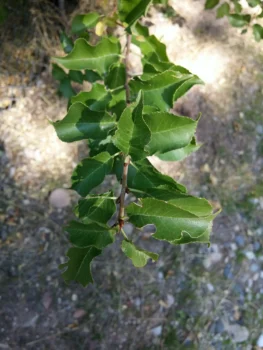
Mahaleb Cherry: A Fragrant Non-Native Shrub for Your Garden
If you’ve been searching for a hardy, low-maintenance shrub with spring flowers and an intriguing fragrance, you might have stumbled across the Mahaleb cherry (Prunus mahaleb). Also known as perfumed cherry, this adaptable shrub has found its way into gardens across North America, though it’s not originally from our neck of the woods.
What Exactly Is Mahaleb Cherry?
Mahaleb cherry is a perennial shrub that typically grows as a multi-stemmed woody plant, usually staying under 13-16 feet tall. Think of it as the middle child of the cherry family – not quite a towering tree, but definitely more substantial than your average garden shrub. It’s got personality, with several stems rising from near the ground, creating a bushy, informal appearance that can add character to your landscape.
The Non-Native Reality Check
Here’s the thing – Mahaleb cherry isn’t a North American native. This shrub originally hails from central and southern Europe and western Asia, but it’s made itself quite at home here. It’s now established and reproducing on its own in the wild across both Canada and the United States, spreading its roots (literally) from coast to coast.
You’ll find established populations throughout an impressive range of states and provinces: Alabama, Arkansas, California, Connecticut, Delaware, District of Columbia, Idaho, Illinois, Indiana, Kansas, Kentucky, Maryland, Massachusetts, Michigan, Missouri, Montana, New Jersey, New York, North Carolina, Ohio, Oklahoma, Oregon, Pennsylvania, Tennessee, Utah, Virginia, Washington, West Virginia, Wisconsin, plus British Columbia and Ontario in Canada.
- Species observed
- No observations
Why Gardeners Choose Mahaleb Cherry
Despite its non-native status, Mahaleb cherry has earned a spot in many gardens for good reasons:
- Fragrant spring blooms: Small white flowers appear in spring, filling the air with a sweet, perfumed scent that gives this plant its perfumed cherry nickname
- Attractive berries: Dark purple-black fruits follow the flowers, adding visual interest
- Tough as nails: Once established, this shrub is remarkably drought tolerant and adaptable to poor soils
- Pollinator friendly: Those spring flowers are magnets for bees and other beneficial insects
- Low maintenance: Perfect for gardeners who want beauty without the fuss
Growing Mahaleb Cherry Successfully
Location and Conditions
Mahaleb cherry is refreshingly unfussy about where it grows. It thrives in USDA hardiness zones 4-8, making it suitable for most of the continental United States and southern Canada. Plant it in full sun to partial shade – it’s not picky about getting every ray of sunlight.
Soil Requirements
Here’s where this shrub really shines: it’s incredibly adaptable to different soil conditions. Poor soil? No problem. Rocky ground? It can handle it. While it will certainly appreciate good garden soil, it won’t sulk if conditions aren’t perfect.
Planting and Care Tips
- Plant in spring or fall when temperatures are moderate
- Water regularly during the first year to help establish roots
- Once established, it’s quite drought tolerant
- Minimal pruning needed – just remove dead or damaged branches
- No need for regular fertilizing in most garden situations
Garden Design Ideas
Mahaleb cherry works well in informal garden settings where its natural, somewhat wild appearance can shine. Consider using it in:
- Mixed shrub borders for spring interest
- Naturalized areas where maintenance is minimal
- As a specimen plant where its fragrant flowers can be appreciated
- Informal hedging (though it won’t give you that manicured look)
A Word About Native Alternatives
While Mahaleb cherry isn’t invasive or problematic, supporting native plants is always a great choice for local ecosystems. If you’re interested in native alternatives that offer similar benefits, consider:
- Serviceberry (Amelanchier species) for spring flowers and wildlife value
- Native cherry species like Pin Cherry (Prunus pensylvanica) or Choke Cherry (Prunus virginiana)
- Elderberry (Sambucus canadensis) for fragrant flowers and bird-friendly berries
The Bottom Line
Mahaleb cherry is one of those plants that won’t win any awards for being the most exciting garden addition, but it’s reliable, fragrant, and surprisingly adaptable. If you’re looking for a low-maintenance shrub that can handle tough conditions while providing spring beauty and pollinator support, it’s worth considering. Just remember to balance non-native additions with plenty of native plants that truly support your local ecosystem.
Whether you choose Mahaleb cherry or opt for a native alternative, the key is creating a garden that brings you joy while being mindful of the broader environmental picture. Sometimes the best gardens are the ones that blend practical choices with ecological consciousness – and maybe throw in a little fragrant charm along the way.