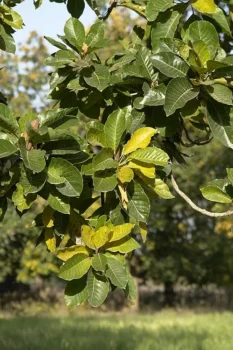
Growing Mahua Trees: A Tropical Beauty with Ancient Roots
If you’re looking for a tree that combines stunning flowers, cultural significance, and practical benefits, let me introduce you to the mahua tree (Madhuca longifolia). This magnificent tropical species has been cherished for centuries in its native lands, and while it might not be the right fit for every garden, it’s certainly worth considering if you have the right conditions.
What is Mahua?
Mahua, scientifically known as Madhuca longifolia, is a deciduous tree that belongs to the Sapotaceae family. You might also see it listed under its old botanical name, Bassia longifolia. This impressive tree is native to the Indian subcontinent, where it grows naturally across India, Nepal, and Myanmar. In these regions, it’s not just a pretty face – it’s a tree deeply woven into local culture and cuisine.
Why You Might Want to Plant Mahua
There’s a lot to love about mahua trees if you have the right growing conditions:
- Spectacular flowers: The tree produces clusters of fragrant, cream-colored flowers that are not only beautiful but also edible and sweetly scented
- Pollinator magnet: Those lovely flowers attract bees, butterflies, and other beneficial pollinators to your garden
- Impressive size: Mature trees can reach 60-80 feet tall with a broad, spreading canopy that provides excellent shade
- Multi-purpose: Beyond ornamental value, the flowers and fruits are edible, making it a great addition to food forests
- Drought tolerance: Once established, mahua trees are quite drought-tolerant
The Reality Check: Is Mahua Right for Your Garden?
Before you get too excited, let’s talk about the practical considerations. Mahua trees are only suitable for USDA hardiness zones 10-12, which means they need consistently warm, tropical to subtropical conditions. If you live anywhere that experiences frost, this tree simply won’t survive outdoors year-round.
Additionally, these trees get quite large – we’re talking about a mature height of 60-80 feet with a considerable spread. Unless you have a spacious property, a mahua tree might overwhelm smaller landscapes.
Growing Conditions and Care
If you’re in the right climate zone and have the space, here’s what mahua trees need to thrive:
- Sunlight: Full sun to partial shade, though they’ll flower best with plenty of direct sunlight
- Soil: Well-draining soil is essential – they don’t tolerate waterlogged conditions
- Water: Regular watering when young, but mature trees are quite drought-tolerant
- Space: Plant at least 30-40 feet away from structures and other large trees
- Climate: Warm, humid conditions year-round
Planting and Care Tips
Getting your mahua tree off to a good start is crucial for long-term success:
- Plant in spring when temperatures are consistently warm
- Dig a planting hole twice as wide as the root ball but no deeper
- Water regularly for the first two years until the tree is well-established
- Mulch around the base to retain moisture and suppress weeds
- Be patient – mahua trees are slow to moderate growers and may take several years to flower
Consider Native Alternatives
Since mahua isn’t native to most regions outside of South Asia, you might want to consider native alternatives that can provide similar benefits. Look for native shade trees in your area that offer wildlife value and attractive flowers. Your local native plant society or extension office can help you identify species that will thrive naturally in your specific location while supporting local ecosystems.
The Bottom Line
Mahua is undeniably a beautiful and culturally significant tree, but it’s definitely a specialty plant for specific growing conditions. If you live in zones 10-12, have plenty of space, and are interested in growing something unique with both ornamental and edible qualities, mahua could be a wonderful addition to your landscape. However, if you’re outside its preferred climate zone or working with limited space, you’ll likely find more success with native alternatives that are better adapted to your local conditions.
Remember, the best garden is one filled with plants that naturally thrive in your specific environment – and sometimes that means admiring beautiful species like mahua from afar while celebrating the native gems in your own backyard.