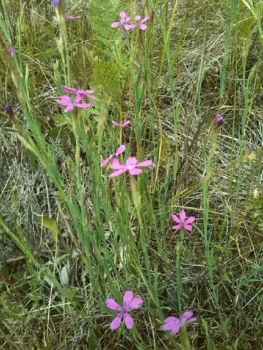
Maiden Pink: A Charming Ground Cover with European Roots
If you’re looking for a low-maintenance ground cover that produces masses of delicate pink flowers, maiden pink (Dianthus deltoides) might catch your eye. This petite perennial has been winning over gardeners with its carpet of tiny, fringed blooms and hardy nature. But before you add it to your shopping list, let’s explore what makes this little charmer tick and whether it’s the right fit for your garden.
What is Maiden Pink?
Maiden pink is a low-growing perennial forb that forms dense, spreading mats. Despite its dainty appearance, this tough little plant is surprisingly resilient. Originally hailing from Europe and western Asia, it’s made itself quite at home across North America, where it’s become a popular choice for gardeners seeking reliable ground cover.
The plant produces small, bright pink flowers with distinctively fringed petals that bloom from late spring through summer. Each flower is only about half an inch across, but what they lack in size, they make up for in sheer numbers – a healthy patch can be absolutely smothered in blooms during peak season.
Where Does Maiden Pink Grow?
This adaptable plant has established itself across a wide range of North America, thriving in numerous U.S. states and Canadian provinces including Alberta, British Columbia, Manitoba, New Brunswick, Arkansas, California, Colorado, Connecticut, Idaho, Illinois, Kansas, Maine, Maryland, Massachusetts, Michigan, Minnesota, Missouri, Montana, New Hampshire, New Jersey, New York, North Carolina, Ohio, Oregon, Pennsylvania, Vermont, Virginia, Washington, Wisconsin, and Wyoming.
- Species observed
- No observations
A Note About Native Status
It’s important to know that maiden pink is not native to North America – it’s what botanists call a naturalized species, meaning it was introduced from elsewhere but now reproduces on its own in the wild. While it’s not considered invasive or problematic, many gardeners today prefer to choose native plants that better support local ecosystems. If you’re leaning toward native alternatives, consider wild bergamot, wild columbine, or native sedums, depending on your region.
Garden Appeal and Design Uses
Maiden pink shines in several garden situations:
- Rock gardens: Its low profile and drought tolerance make it perfect for tucking between stones
- Cottage gardens: The old-fashioned charm fits beautifully with informal, romantic plantings
- Ground cover: Excellent for covering slopes or filling in areas where grass struggles
- Border edges: Creates a soft, colorful margin along pathways or garden beds
- Naturalizing areas: Works well in meadow-style plantings or low-maintenance landscapes
The plant typically grows 4-8 inches tall and can spread 12-18 inches wide, creating a dense mat of narrow, blue-green foliage topped with clouds of pink flowers.
Growing Conditions and Care
One of maiden pink’s biggest selling points is its easy-going nature. Here’s what it needs to thrive:
- Sunlight: Full sun is ideal, though it can tolerate light shade
- Soil: Well-draining soil is essential – it absolutely hates wet feet
- pH: Prefers neutral to slightly alkaline soil
- Water: Drought tolerant once established; avoid overwatering
- Climate: Hardy in USDA zones 3-9
Planting and Maintenance Tips
Getting maiden pink established is straightforward:
- Plant in spring or early fall when temperatures are moderate
- Space plants 12-15 inches apart if you want quick coverage
- Water regularly the first season, then reduce watering once established
- Deadhead spent flowers if you want to prevent self-seeding (though many gardeners enjoy the natural spread)
- Divide clumps every 3-4 years to maintain vigor
- Very little fertilizer needed – too much can actually reduce flowering
Wildlife and Pollinator Benefits
Maiden pink does provide some benefits to wildlife, particularly small pollinators like butterflies, bees, and beneficial insects that appreciate the nectar from its abundant flowers. The blooming period extends over several months, providing a consistent food source during the growing season.
Moisture Preferences by Region
Interestingly, maiden pink’s relationship with moisture varies depending on where you live. In most regions, it strongly prefers upland, well-drained conditions and rarely occurs in wetlands. However, in some western areas and parts of the Midwest, it shows more flexibility and can occasionally tolerate slightly moister conditions.
Should You Grow Maiden Pink?
Maiden pink can be a lovely addition to the right garden, especially if you’re looking for a low-maintenance ground cover that produces cheerful flowers. Its drought tolerance and adaptability make it particularly useful in challenging spots where other plants might struggle.
However, if supporting native ecosystems is a priority for you, consider exploring native alternatives first. Many regions have beautiful native ground covers that offer similar benefits while providing better support for local wildlife and maintaining the natural character of your area’s plant communities.
Whatever you choose, the key is selecting plants that match both your garden’s conditions and your personal gardening philosophy. Happy planting!