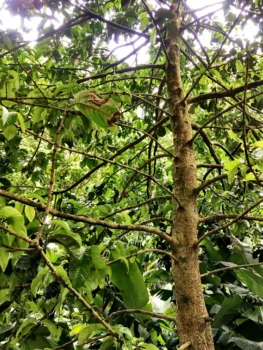
Malaysian Apple: A Tropical Beauty for Warm Climate Gardens
If you’re dreaming of adding a touch of tropical paradise to your garden, the Malaysian apple (Syzygium malaccense) might just catch your eye. This striking tree, also known by its scientific name and various synonyms including Eugenia malaccensis, brings both ornamental beauty and edible rewards to warm climate landscapes.
What Is the Malaysian Apple?
The Malaysian apple is a perennial tree that can grow quite impressive in size – typically reaching heights of 13 to 16 feet or more, with a single trunk that gives it that classic tree silhouette we all love. Under certain conditions, it might develop multiple stems or stay a bit shorter, but either way, it’s bound to make a statement in your garden.
Don’t let the name fool you – this isn’t actually an apple at all! The Malaysian apple produces distinctive pear-shaped fruits that range from red to dark purple, and they’re completely edible. The tree itself is adorned with large, glossy dark green leaves that provide excellent shade, and when it blooms, it puts on quite a show with beautiful red to pink bell-shaped flowers.
Native Status and Where It Grows
Here’s something important to know: the Malaysian apple isn’t native to the United States. Originally from Southeast Asia (particularly Malaysia and Indonesia), this tree has been introduced to various U.S. territories and states where it now reproduces on its own. You’ll find it growing in Hawaii, Guam, Palau, Puerto Rico, and the U.S. Virgin Islands, where it has adapted well to local conditions.
- Species observed
- No observations
While it’s not considered invasive or noxious, it’s worth considering native alternatives that could provide similar benefits while supporting local ecosystems. Native trees are always the best first choice for wildlife and environmental health.
Garden Appeal and Landscape Role
So why might you want a Malaysian apple in your garden? This tree is a real multitasker:
- Provides excellent shade with its broad canopy
- Offers ornamental value with glossy foliage and showy flowers
- Produces edible fruit for those interested in homegrown tropical treats
- Works beautifully as a specimen tree or focal point
- Attracts pollinators like bees when in bloom
The Malaysian apple is perfectly suited for tropical and subtropical gardens, edible landscapes, and anywhere you want to create that lush, tropical feel. It’s particularly striking when given space to show off as a specimen plant.
Growing Conditions and Care
If you’re thinking about growing a Malaysian apple, you’ll need to live in USDA hardiness zones 10-12 – this is definitely a warm-weather tree that won’t tolerate frost or freezing temperatures.
Here’s what this tropical beauty needs to thrive:
- Light: Full sun to partial shade (though it flowers and fruits best in full sun)
- Soil: Well-draining soil that doesn’t get waterlogged
- Water: Consistent moisture, but not soggy conditions
- Space: Room to spread – remember, this can be a large tree!
Wetland Considerations
Interestingly, the Malaysian apple has different wetland preferences depending on where it’s growing. In Caribbean regions, it’s considered an obligate upland plant, meaning it almost never occurs in wetlands. However, in Hawaii, it’s classified as facultative upland, which means it usually prefers non-wetland areas but can occasionally tolerate wetter conditions.
Planting and Care Tips
Ready to give it a try? Here are some practical tips for success:
- Plant in spring when temperatures are consistently warm
- Water regularly, especially during the first few years while the tree establishes
- Apply mulch around the base to retain moisture and suppress weeds
- Prune lightly to maintain shape and remove any dead or crossing branches
- Protect from strong winds, which can damage the large leaves
- Fertilize during the growing season with a balanced fertilizer
Consider Native Alternatives
While the Malaysian apple can be a beautiful addition to appropriate climates, don’t forget to explore native options first! Native trees provide irreplaceable benefits to local wildlife, require less maintenance once established, and are perfectly adapted to your local conditions. Check with your local native plant society or extension office for recommendations of native trees that might offer similar aesthetic appeal and function.
Whether you choose the Malaysian apple or a native alternative, adding a substantial tree to your landscape is always a gift to future generations – and to the countless creatures that will call it home.