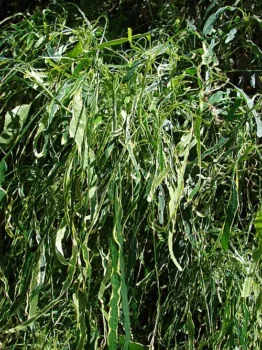
Malaysian Aralia: A Tropical Beauty for Your Garden
If you’re dreaming of adding some tropical flair to your garden, the Malaysian aralia (Polyscias cumingiana) might just catch your eye. Also known as fern-leaf aralia, this attractive shrub brings a touch of Southeast Asian elegance to landscapes with its distinctive, deeply divided foliage that resembles delicate fern fronds.
What is Malaysian Aralia?
Malaysian aralia is a perennial shrub that typically grows as a multi-stemmed woody plant, usually reaching heights of 13 to 16 feet, though it can sometimes grow taller under ideal conditions. Its most striking feature is its compound leaves, which create an almost lacy, tropical appearance that can instantly transform any garden space.
You might also see this plant listed under several botanical synonyms, including Arthrophyllum pinnatum, Nothopanax pinnatus, or Polyscias rumphiana – but they’re all referring to the same lovely plant.
Where Does It Come From?
Originally native to Southeast Asia, particularly Malaysia and Indonesia, this tropical beauty has made its way to various warm climate regions. In the United States and its territories, you’ll find Malaysian aralia growing in Guam, Palau, and Puerto Rico, where it has become established as a non-native species that reproduces naturally in the wild.
- Species observed
- No observations
Why Consider Malaysian Aralia for Your Garden?
Malaysian aralia offers several appealing qualities for gardeners in suitable climates:
- Striking foliage: The glossy, deeply divided leaves create beautiful texture and visual interest
- Tropical ambiance: Perfect for creating that lush, exotic garden feel
- Versatile size: Works well as a specimen plant or part of a tropical landscape design
- Container friendly: Can be grown in large pots for patios or indoor spaces
Growing Conditions and Care
Malaysian aralia thrives in USDA hardiness zones 10-12, making it suitable only for truly tropical and subtropical climates. If you live in a cooler area, consider growing it as a container plant that can be moved indoors during winter.
Ideal Growing Conditions:
- Light: Partial shade to bright, indirect light (avoid harsh direct sun)
- Soil: Well-draining soil that retains some moisture
- Water: Consistent moisture without waterlogging
- Humidity: Appreciates higher humidity levels
Planting and Care Tips:
- Plant in a location protected from strong winds
- Water regularly, especially during dry periods
- Provide some humidity if growing in containers
- Prune occasionally to maintain shape and remove any dead or damaged growth
- Feed with a balanced fertilizer during the growing season
Landscape Design Ideas
Malaysian aralia works beautifully in tropical-themed gardens, where its fern-like foliage can serve as a backdrop for colorful flowering plants or as a specimen plant in its own right. It’s particularly effective when planted in groups or used to create natural privacy screens in suitable climates.
A Word About Native Alternatives
While Malaysian aralia can be a lovely addition to tropical gardens, it’s worth considering native alternatives that provide similar aesthetic appeal while supporting local wildlife. Since this plant is non-native to U.S. regions where it’s grown, native plants would offer greater benefits to pollinators, birds, and other local wildlife. Consult with your local native plant society or extension office to discover beautiful native shrubs that might provide similar tropical appeal in your area.
The Bottom Line
Malaysian aralia can be a stunning addition to the right garden – one in a tropical or subtropical climate where its glossy, fern-like foliage can truly shine. While it won’t provide the wildlife benefits of native plants, it’s not considered invasive and can be grown responsibly by gardeners who appreciate its unique tropical beauty. Just remember that it’s definitely a warm-weather plant, so make sure your climate can support its needs year-round, or be prepared to treat it as a container plant that needs winter protection.