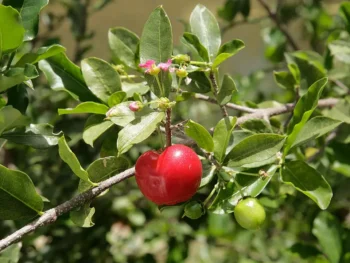
Malpighia: A Tropical Shrub Worth Knowing
If you’ve stumbled across the name Malpighia in your plant research, you’ve discovered a fascinating genus of tropical shrubs that might just have a place in your warm-climate garden. While this plant group isn’t as well-known as some garden favorites, it offers unique characteristics that could make it an interesting addition to the right landscape.
What Exactly Is Malpighia?
Malpighia is a genus of perennial shrubs that typically grows as multi-stemmed woody plants, usually reaching heights of 13 to 16 feet or less. These shrubs naturally develop several stems arising from or near the ground, though under certain environmental conditions, they might grow taller or develop a more single-stemmed appearance.
The naming situation with Malpighia is a bit quirky – there isn’t a widely recognized common name that differs from the botanical name, so most people simply call it malpighia. This actually hints at the plant’s somewhat specialized status in the gardening world.
Where Does Malpighia Grow?
You’ll find Malpighia growing naturally in warm regions including Florida, Texas, Puerto Rico, and the U.S. Virgin Islands. However, the native status of this plant group is somewhat unclear in different regions, which suggests that some species within the genus might be native while others could be naturalized introductions.
- Species observed
- No observations
Should You Plant Malpighia?
Here’s where things get a bit tricky. The broad nature of the Malpighia genus means that without knowing the specific species, it’s challenging to give definitive growing advice. Different species within this genus can have varying requirements, appearances, and ecological impacts.
What we do know is that as perennial shrubs, plants in this genus can provide:
- Multi-season structure in warm-climate landscapes
- Potential screening or hedge applications
- Tropical or subtropical garden appeal
Growing Considerations
Since specific growing conditions for the genus as a whole aren’t well-documented, and given the unclear native status in various regions, here are some general considerations:
Climate Requirements: Based on its distribution, Malpighia species generally prefer warm, frost-free climates similar to those found in Florida, southern Texas, and Caribbean regions.
Landscape Role: These shrubs could potentially serve as specimen plants, informal hedges, or background plantings in tropical and subtropical gardens.
A Word of Caution
Without specific species identification, it’s difficult to assess whether a particular Malpighia might have invasive tendencies or specific ecological impacts. If you’re considering adding a plant from this genus to your garden, here are some responsible steps to take:
- Identify the exact species you’re interested in
- Research that specific species’ native status in your area
- Check with local extension offices about any concerns
- Consider native alternatives that provide similar benefits
Native Alternatives to Consider
If you’re drawn to the idea of a native shrub for your warm-climate landscape, consider researching native options in your specific region. Local native plant societies and extension offices can provide excellent recommendations for shrubs that will thrive in your area while supporting local ecosystems.
The Bottom Line
Malpighia represents an interesting group of tropical shrubs, but the genus-level identification makes it challenging to provide specific growing guidance. If you encounter a specific Malpighia species that catches your eye, take the time to research that particular plant’s requirements, native status, and ecological impact before adding it to your landscape. When in doubt, native alternatives are always a safe and ecologically beneficial choice.