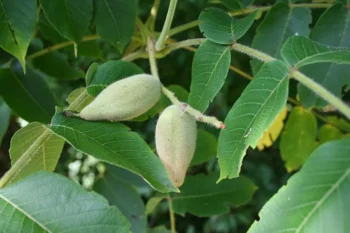
Manchurian Walnut: A Cold-Hardy Giant for Spacious Gardens
If you’ve got plenty of space and live in a chilly climate, the Manchurian walnut (Juglans mandshurica) might just catch your fancy. This robust deciduous tree hails from the frigid regions of northeastern Asia, where it’s learned to shrug off winters that would make other trees throw in the towel. But before you start digging holes, let’s dive into what makes this tree tick and whether it deserves a spot in your landscape.
What Exactly Is a Manchurian Walnut?
The Manchurian walnut goes by the scientific name Juglans mandshurica, though you might occasionally see it listed under its synonym Juglans cathayensis. This impressive tree is part of the walnut family, and like its cousins, it produces edible nuts—though they’re generally smaller and harder to crack than the English walnuts you’d find at the grocery store.
Where Does It Come From?
This tree calls the harsh landscapes of northeastern China, eastern Russia (particularly Manchuria), Korea, and parts of Mongolia home. In these regions, it’s perfectly content dealing with brutal winters and short growing seasons—a trait that makes it particularly appealing to gardeners in northern climates.
The Good, The Bad, and The Beautiful
Let’s be honest about what you’re signing up for with a Manchurian walnut:
- Size matters: This tree gets big—we’re talking 50-80 feet tall with a spread that can easily reach 40-60 feet
- Patience required: It’s not exactly a speed demon when it comes to growth, so don’t expect instant gratification
- Gorgeous foliage: The compound leaves create beautiful, filtered shade and turn a lovely yellow in fall
- Tough as nails: Once established, it can handle drought, cold snaps, and various soil conditions like a champ
Is It Right for Your Garden?
The Manchurian walnut isn’t for everyone, and that’s perfectly okay. It’s best suited for:
- Large residential properties with room to spare
- Parks and public spaces
- Cold-climate landscapes (USDA zones 3-7)
- Properties where you want long-term shade and don’t mind waiting for it
- Areas where you’re creating wildlife habitat
Skip this tree if you have a small yard, live in a warm climate, or need something that fills in quickly.
Wildlife and Pollinator Considerations
While the Manchurian walnut won’t be hosting pollinator parties (it’s wind-pollinated), it does offer some wildlife benefits. The nuts provide food for squirrels, chipmunks, and various bird species, while the large canopy offers nesting sites and shelter.
Growing Your Manchurian Walnut Successfully
If you’ve decided this tree fits your vision, here’s how to give it the best start:
- Location: Choose a spot with full sun and plenty of room for the tree to spread
- Soil: Well-drained soil is key—it tolerates various types but hates waterlogged conditions
- Planting: Spring is your best bet for planting
- Watering: Keep young trees consistently moist but not soggy
- Pruning: Minimal pruning needed—just remove dead or damaged branches
- Patience: Give it time to establish; this tree plays the long game
A Word About Native Alternatives
While the Manchurian walnut can be a fine addition to appropriate spaces, consider exploring native alternatives first. Native trees like black walnut (in suitable regions), American chestnut, or native oaks might better serve your local ecosystem while providing similar benefits. Native plants support local wildlife more effectively and are typically better adapted to regional growing conditions.
The Bottom Line
The Manchurian walnut is a tree for patient gardeners with big dreams and bigger yards. It won’t give you instant results, but it will eventually reward you with substantial shade, interesting nuts, and the satisfaction of growing something truly magnificent. Just make sure you’ve got the space, the climate, and the patience to let this gentle giant do its thing.
Remember, successful gardening is about matching the right plant to the right place—and if that place happens to be a spacious, cold-climate property where you’re thinking decades ahead, the Manchurian walnut might just be your perfect match.