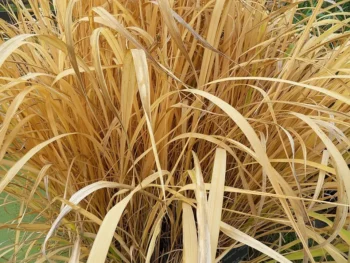
Manchurian Wildrice: A Bold Aquatic Grass for Water Gardens
Looking to add some serious drama to your water garden? Meet Manchurian wildrice (Zizania latifolia), a towering aquatic grass that brings an almost prehistoric presence to pond edges and wetland plantings. This robust perennial grass isn’t your typical lawn ornament – it’s a water-loving giant that can transform any aquatic landscape into something truly spectacular.
What is Manchurian Wildrice?
Manchurian wildrice is a perennial grass that belongs to the same family as our native wild rice species, but hails from the wetlands of Eastern Asia, including China, Japan, Korea, and eastern Russia. Also known by its scientific name Zizania latifolia (and sometimes listed under the synonym Zizania caduciflora), this aquatic grass has found its way into Hawaiian waters, where it now grows and reproduces on its own.
In the United States, you’ll primarily find this species established in Hawaii, where it thrives in the tropical climate and abundant water sources.
- Species observed
- No observations
Why Consider (or Skip) This Aquatic Giant?
Manchurian wildrice offers some compelling reasons to consider it for your water garden, but it also comes with important considerations:
The Appeal
- Creates dramatic vertical interest with tall, broad-leafed stems
- Provides excellent erosion control along pond edges
- Offers habitat structure for waterfowl and other wetland wildlife
- Thrives in consistently wet conditions where other plants struggle
- Relatively low-maintenance once established
The Considerations
- Non-native species that may outcompete local wetland plants
- Can be quite aggressive in spreading
- Requires permanent water or consistently saturated soil
- Takes up significant space – not suited for small water features
Growing Conditions and Care
Manchurian wildrice is classified as an obligate wetland plant in Hawaii, meaning it almost always occurs in wetland conditions. This grass has some specific requirements that make it quite particular about its growing environment.
Ideal Growing Conditions
- Water requirements: Needs constant moisture or standing water
- Soil: Thrives in rich, organic, saturated soils
- Light: Performs best in full sun to partial shade
- Hardiness zones: Generally hardy in USDA zones 5-10
- Space: Requires ample room to spread
Planting and Care Tips
Successfully growing Manchurian wildrice is all about understanding its aquatic nature:
- Plant in spring when water temperatures begin to warm
- Ensure consistent water levels – this isn’t a plant that tolerates drought
- Consider containment methods if you want to limit its spread
- Minimal fertilization needed in rich wetland soils
- Cut back dead foliage in late fall or early spring
Wildlife and Ecological Role
While Manchurian wildrice can provide habitat structure for waterfowl and other wetland creatures, its value to local ecosystems is limited compared to native alternatives. As a wind-pollinated grass, it doesn’t offer significant benefits to pollinators.
Native Alternatives to Consider
Before planting this non-native species, consider these native alternatives that provide similar aesthetic appeal while supporting local ecosystems:
- Northern wild rice (Zizania palustris) – for northern regions
- Southern wild rice (Zizania aquatica) – for southeastern wetlands
- Various native sedges and rushes appropriate to your region
- Native cattails (Typha species)
Is Manchurian Wildrice Right for Your Garden?
Manchurian wildrice can be an impressive addition to large water gardens and constructed wetlands, especially if you’re looking for that bold, architectural presence that only tall aquatic grasses can provide. However, its non-native status and aggressive spreading habit mean it requires thoughtful consideration and potentially careful management.
If you do choose to grow it, be prepared to give it plenty of space and constant water, and consider how it might impact local wetland ecosystems. For many gardeners, exploring native wild rice species or other indigenous wetland plants might be the more ecologically responsible choice that still delivers that stunning aquatic grass aesthetic you’re after.