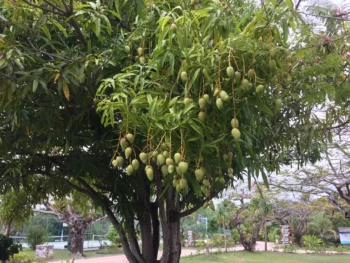
Growing Mango Trees: A Tropical Dream for Your Garden
If you’ve ever dreamed of picking fresh, juicy mangoes from your own backyard, you’re not alone! The mango tree (Mangifera indica) has captured the hearts of gardeners in warm climates with its lush foliage, fragrant blooms, and delicious fruit. But before you start planning your tropical paradise, let’s dive into what it takes to successfully grow this magnificent tree and whether it’s the right choice for your garden.
What Makes Mango Trees Special?
Mango trees are impressive perennial specimens that can transform any landscape. These single-stemmed giants typically reach 65 feet in height and width at maturity, creating a spectacular rounded canopy that provides excellent shade. The dense, glossy green foliage looks beautiful year-round, while the small yellow flowers that appear in late winter fill the air with a sweet fragrance that attracts bees and other pollinators.
But let’s be honest – the real star of the show is the fruit! Those gorgeous orange mangoes aren’t just delicious; they’re also quite the conversation starter when visitors spot them hanging from your tree.
Where Can You Grow Mango Trees?
Here’s where things get a bit tricky. Mango trees are originally from South Asia, making them non-native to the United States. However, they’ve been successfully introduced and now grow in several warm regions including Florida, Hawaii, Puerto Rico, the U.S. Virgin Islands, and other Pacific territories.
- Species observed
- No observations
These trees are only suitable for USDA hardiness zones 9b through 11, as they need at least 365 frost-free days per year and can only tolerate temperatures down to about 17°F. If you live outside these zones, you might want to consider container growing and bringing your tree indoors during winter.
Growing Conditions: What Mango Trees Need to Thrive
Mango trees might seem exotic, but they’re surprisingly adaptable when it comes to soil. They’ll happily grow in:
- Coarse, sandy soils
- Fine clay soils
- Medium loamy soils
The key is good drainage – these trees don’t like wet feet! They prefer slightly acidic to neutral soil (pH 4.0-7.0) and have low fertility requirements, making them relatively low-maintenance once established.
While young trees need regular watering, mature mangoes have moderate drought tolerance. They’re sun lovers and won’t tolerate shade, so make sure to plant them in the brightest spot in your yard. Keep in mind that these trees almost never occur in wetlands – they’re definitely upland plants that prefer well-drained locations.
Planting and Care Tips
Ready to plant? Here’s what you need to know:
- Spacing: Give your mango tree plenty of room – plan for 150-300 trees per acre if you’re thinking commercially, or simply ensure at least 30-40 feet between trees in home landscapes
- Planting: Container-grown trees are your best bet, as they don’t transplant well as bare-root specimens
- Watering: Deep, infrequent watering works best once established
- Pruning: These trees have high hedge tolerance, meaning they respond well to pruning if you need to manage their size
- Patience: Mango trees have a moderate growth rate, so don’t expect overnight results
The Downside: What to Consider Before Planting
Before you fall completely in love with the idea of homegrown mangoes, there are a few things to keep in mind. Mango trees have no fire tolerance, so they’re not suitable for fire-prone areas. The fruit doesn’t persist on the tree, meaning you’ll need to harvest it during the summer fruiting period or deal with cleanup.
Also, while mango trees aren’t considered invasive, they are non-native. If you’re passionate about supporting local ecosystems, you might want to consider native alternatives that provide similar benefits to wildlife and pollinators.
Native Alternatives to Consider
If you’re looking for large, shade-providing native trees with wildlife benefits, consider researching native species in your area such as live oaks, Southern magnolias, or other regional natives that can provide similar landscape functions while supporting local wildlife.
The Bottom Line
Mango trees can be wonderful additions to tropical and subtropical gardens, offering shade, beauty, and delicious fruit. While they require specific climate conditions and aren’t native to the US, they’re not considered problematic in areas where they’re established. If you have the right climate and space, and you’re willing to wait a few years for fruit production, a mango tree could be a delightful addition to your edible landscape.
Just remember – gardening is about creating spaces that bring you joy while being mindful of the broader ecosystem. Whether you choose mango or a native alternative, the most important thing is that your choice fits both your garden goals and your local environment.