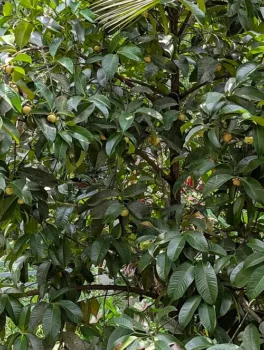
Growing Mangosteen: The Queen of Fruits in Your Tropical Garden
If you’ve ever dreamed of growing exotic tropical fruits in your own backyard, the mangosteen (Garcinia mangostana) might have caught your attention. Known as the queen of fruits, this elegant evergreen tree produces some of the world’s most prized tropical fruits, wrapped in a distinctive purple rind that reveals sweet, white segments inside.
What Is Mangosteen?
Mangosteen is a perennial tree that can grow quite impressive in size – typically reaching heights of 13 to 16 feet or more, with a single trunk and naturally pyramidal shape. This slow-growing beauty develops glossy, dark green leaves that create an attractive canopy, making it as much an ornamental choice as it is a fruit-producing one.
Where Does Mangosteen Grow?
Originally native to Southeast Asia (particularly Malaysia, Thailand, and Indonesia), mangosteen is considered a non-native species in the United States. Currently, you’ll find it established in limited tropical locations including Guam, Palau, and Puerto Rico, where it has naturalized and reproduces on its own.
- Species observed
- No observations
Is Mangosteen Right for Your Garden?
Before you get too excited about adding this exotic beauty to your landscape, let’s talk reality check. Mangosteen is definitely not for everyone – or every climate!
The Good News:
- Stunning ornamental value with glossy foliage and attractive form
- Produces incredibly delicious and valuable fruit
- Creates excellent shade once mature
- Attracts pollinators when flowering
The Challenges:
- Extremely climate-sensitive – only thrives in USDA zones 10-12
- Very slow growing (patience required!)
- Can take 8-15 years to produce fruit
- Requires specific humid, tropical conditions
Growing Conditions and Care
If you live in a suitable tropical climate and want to try growing mangosteen, here’s what this finicky fruit tree needs:
Climate Requirements: Mangosteen absolutely demands a humid tropical climate with temperatures consistently between 70-95°F. It cannot tolerate any frost or temperatures below 40°F.
Soil Needs: Well-draining, acidic soil (pH 5.0-6.0) rich in organic matter. The tree is sensitive to waterlogged conditions, so good drainage is crucial.
Light Requirements: Young trees prefer partial shade, while mature trees can handle full sun. Too much direct sun when young can damage the sensitive foliage.
Watering: Consistent moisture is key, but avoid overwatering. The soil should be moist but never soggy.
Planting and Care Tips
- Plant in a location protected from strong winds
- Mulch around the base to retain moisture and suppress weeds
- Feed regularly with organic compost or balanced fertilizer
- Be patient – growth is naturally very slow
- Prune minimally, only to remove dead or damaged branches
Consider Native Alternatives
Since mangosteen is non-native and has such specific growing requirements, you might want to consider native tropical fruit trees that could provide similar benefits with better adaptability to local conditions. Depending on your location, native options might include indigenous fruit trees that support local wildlife and require less intensive care.
The Bottom Line
Mangosteen is undoubtedly a fascinating and potentially rewarding addition to the right tropical garden. However, it’s definitely a commitment that requires the perfect climate, plenty of patience, and dedicated care. If you’re in the right zone and up for the challenge, this queen of fruits could become a stunning centerpiece of your tropical landscape. Just remember – this is definitely a plant for experienced tropical gardeners rather than beginners!
For most gardeners, admiring mangosteen trees in botanical gardens or enjoying the imported fruits from the grocery store might be the most practical way to appreciate this remarkable species.