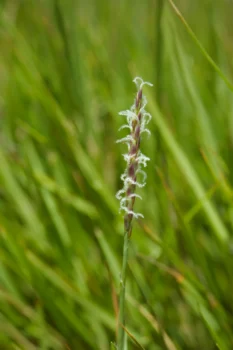
Manila Grass: A Low-Maintenance Warm-Season Turf Option
If you’re tired of constantly watering and fertilizing your lawn, Manila grass (Zoysia matrella) might catch your attention. This warm-season perennial grass has earned a reputation as a low-maintenance turf option, though it comes with both benefits and considerations worth understanding before you commit to it.
What Is Manila Grass?
Manila grass is a fine-textured, dense grass that belongs to the Poaceae family. While it’s commonly called Manila grass, this hardy perennial creates a thick, carpet-like lawn that many homeowners find appealing. Originally from Southeast Asia’s coastal regions, this grass has adapted well to various warm climates.
Where Manila Grass Grows
As a non-native species, Manila grass has established itself across several U.S. states and territories, including Alabama, Florida, Georgia, Hawaii, Mississippi, New Mexico, North Carolina, and Puerto Rico, as well as Pacific territories like Guam and Palau. It reproduces on its own in the wild and tends to persist once established.
- Species observed
- No observations
The Good, The Bad, and The Practical
Manila grass thrives in USDA hardiness zones 9-11, making it suitable for warm, southern climates. Here’s what makes it appealing—and what might give you pause:
Why Gardeners Choose Manila Grass:
- Exceptional drought tolerance once established
- Salt tolerance, making it ideal for coastal properties
- Dense growth pattern that crowds out weeds
- Requires less frequent watering and fertilizing than many other grasses
- Stays green longer into cooler months compared to other warm-season grasses
Potential Drawbacks:
- Slow to establish—patience is definitely required
- Limited wildlife and pollinator benefits
- Can be aggressive in spreading
- Not suitable for cooler climates
Growing Conditions and Care
Manila grass prefers full sun but tolerates partial shade reasonably well. According to wetland classifications, it’s typically found in upland areas rather than wet sites, which aligns with its drought-tolerant nature.
Planting Tips:
- Install through sod, plugs, or sprigs rather than seed
- Plant during warm months when grass can establish quickly
- Ensure good soil drainage
- Be patient—establishment can take several months
Ongoing Care:
- Water deeply but infrequently once established
- Fertilize sparingly compared to other grass types
- Mow at recommended height to maintain density
- Monitor spread into areas where it’s not wanted
Consider Native Alternatives
Since Manila grass isn’t native to North America, you might want to explore native warm-season grasses that provide similar benefits while supporting local ecosystems. Native options like buffalo grass, blue grama, or regional native grass species can offer drought tolerance and low maintenance while providing better habitat for local wildlife and pollinators.
The Bottom Line
Manila grass can be an excellent choice for warm-climate gardeners seeking a low-maintenance, drought-tolerant lawn, especially in coastal areas where salt tolerance is important. However, its slow establishment and limited ecological benefits mean it’s worth comparing against native alternatives that might better serve both your landscape goals and local wildlife. Whatever you choose, make sure it aligns with your local growing conditions and maintenance preferences.