Manyflower Rush: A Wetland Plant for Hawaiian Gardens
If you’re looking to add some texture to your wetland garden or pond area in Hawaii, you might have come across the manyflower rush. This grass-like perennial has found its way into Hawaiian landscapes, though it’s not originally from the islands. Let’s dive into what makes this plant tick and whether it might be right for your garden.
What is Manyflower Rush?
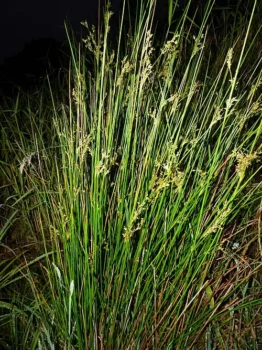
Manyflower rush (Juncus polyanthemos) is a perennial member of the rush family that looks like grass but isn’t quite grass. Think of it as grass’s slightly different cousin – it has that same slender, upright look but with its own unique personality. This plant forms dense clumps of cylindrical green stems that can add interesting vertical texture to wet areas of your landscape.
Where Does It Come From?
Here’s where things get interesting: manyflower rush isn’t actually native to Hawaii. This plant originally calls Australia and New Zealand home, but it has successfully established itself in Hawaiian wetlands and gardens. It’s what botanists call a naturalized species – meaning it can reproduce and spread on its own in its new home without any help from gardeners.
Currently, you’ll find manyflower rush growing in Hawaii, where it has adapted well to the tropical climate.
- Species observed
- No observations
Should You Plant Manyflower Rush?
This is where gardeners need to think carefully. While manyflower rush isn’t currently listed as invasive, it is a non-native species that has already shown it can establish itself in Hawaiian ecosystems. If you’re passionate about supporting native wildlife and preserving local ecosystems, you might want to consider native Hawaiian wetland plants instead.
That said, if you already have manyflower rush on your property or you’re working on a wetland restoration project where it’s already established, it can serve some useful purposes in the landscape.
What Does It Look Like?
Manyflower rush won’t win any flashy flower contests, but it has its own understated charm. The plant produces small clusters of brownish flowers that might not catch your eye from across the garden, but they add subtle interest up close. The real appeal lies in its form – those slender, upright stems create nice vertical lines and can soften the edges of ponds or wet areas.
Growing Conditions
If you do decide to grow manyflower rush, here’s what it needs to thrive:
- Water, water everywhere: This plant is classified as obligate wetland, which is a fancy way of saying it almost always needs wet feet. Think bog-like conditions.
- Sun requirements: Full sun to partial shade work well
- Climate: Thrives in USDA zones 9-11, making it well-suited to Hawaii’s tropical climate
- Soil: Constantly moist to wet soils are essential
How to Care for Manyflower Rush
The good news is that manyflower rush is pretty low-maintenance once you get the water situation right. Here are the basics:
- Keep soil consistently wet – this isn’t a plant that tolerates drought
- Plant near water features, in rain gardens, or in naturally wet spots
- Very little fertilizer needed – wetland plants are typically adapted to nutrient-poor conditions
- Minimal pruning required, though you can cut back old growth if desired
Garden Uses
Manyflower rush works well in:
- Pond margins and water garden edges
- Rain gardens and bioswales
- Areas with drainage issues
- Naturalized wetland landscapes
- Erosion control on wet slopes
Wildlife and Pollinator Value
Don’t expect butterflies and bees to flock to manyflower rush – it’s wind-pollinated, so it doesn’t produce the nectar-rich flowers that attract pollinators. Its value to wildlife is more about providing habitat structure in wetland areas.
Native Alternatives to Consider
If you’re interested in supporting native Hawaiian ecosystems, consider researching indigenous wetland plants that provide similar functions. Native sedges, rushes, and grasses can offer the same textural appeal while supporting local wildlife and maintaining ecological balance.
The Bottom Line
Manyflower rush can be a useful plant for specific wetland situations, but it comes with the responsibility of growing a non-native species. If you choose to include it in your landscape, be mindful of its potential to spread and consider native alternatives first. Remember, the best garden choices are often the ones that work with local ecosystems rather than against them.