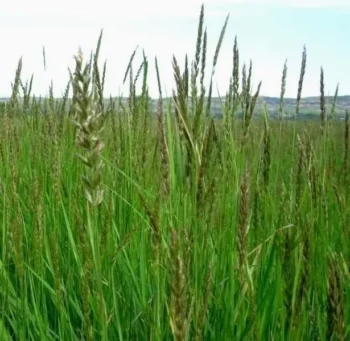
Manystem Wildrye: A Little-Known Grass with Limited Garden Potential
If you’ve stumbled across the name manystem wildrye (Leymus multicaulis) in your plant research, you’re probably wondering what exactly this grass is and whether it belongs in your garden. Here’s the straight scoop: this is one of those plants that exists more in botanical databases than in actual gardens, and there’s a good reason for that.
What Exactly is Manystem Wildrye?
Manystem wildrye is a perennial grass that falls into that broad category of graminoid plants – basically, anything grass-like including true grasses, sedges, and rushes. This particular species goes by the scientific name Leymus multicaulis, though you might occasionally see it listed under its older names like Elymus multicaulis or Elymus aralensis.
Here’s where things get interesting (or frustrating, depending on your perspective): this grass is somewhat of a botanical mystery. While it’s documented as growing in Wyoming, there’s surprisingly little information available about its characteristics, growing habits, or garden potential.
Where Does It Come From?
Manystem wildrye is not native to North America. Based on its synonyms and limited botanical records, it appears to have origins in Central Asia. In the United States, it’s been documented in Wyoming, where it has established itself and reproduces without human intervention.
- Species observed
- No observations
Should You Plant Manystem Wildrye?
This is where I’m going to level with you: probably not. Here’s why:
- Limited availability: You’d be hard-pressed to find this grass at nurseries or even specialty native plant sales
- Unknown garden performance: There’s virtually no information about how it performs in cultivation, its mature size, or its care requirements
- Uncertain ecological impact: While not currently listed as invasive, its non-native status and ability to self-reproduce raises questions
- Better alternatives exist: There are plenty of well-documented native grasses that offer known benefits
Native Alternatives to Consider Instead
Rather than taking a gamble on this mysterious grass, consider these well-documented native alternatives that offer proven garden performance:
- Blue grama (Bouteloua gracilis): A beautiful native bunch grass perfect for xeriscaping
- Buffalo grass (Poaceae dactyloides): Excellent for low-water lawns in appropriate regions
- Little bluestem (Schizachyrium scoparium): Stunning fall color and four-season interest
- Prairie dropseed (Sporobolus heterolepis): Fragrant native grass with graceful form
The Bottom Line
Sometimes in gardening, the most honest advice is to skip a particular plant entirely. Manystem wildrye falls into this category – not because it’s necessarily bad, but because there’s simply too much we don’t know about it. With so many fantastic native grass options available that offer documented benefits for wildlife, pollinators, and garden aesthetics, there’s really no compelling reason to gamble on this botanical enigma.
Stick with the proven performers, and your garden (and local ecosystem) will thank you for it. Save your experimental energy for plants with a better track record and clearer benefits!