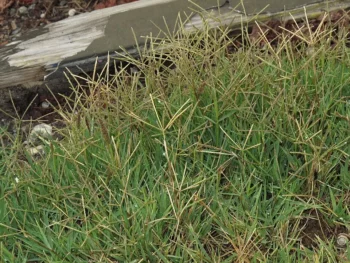
Maritime Bermudagrass: A Coastal Ground Cover Solution
If you’re dealing with challenging coastal conditions in your garden, you’ve probably encountered the frustration of watching plants struggle against salt spray and sandy soils. Enter maritime Bermudagrass (Cynodon maritimus), a tough-as-nails grass that laughs in the face of ocean breezes and saline conditions.
What Is Maritime Bermudagrass?
Maritime Bermudagrass is a perennial grass that forms dense, low-growing turf with fine-textured green foliage. As its name suggests, this hardy grass has evolved to thrive in maritime environments where other plants often fail. It’s a close relative of common Bermudagrass but specifically adapted for coastal conditions.
Where You’ll Find It Growing
Originally native to coastal areas of the Mediterranean and Atlantic coasts, maritime Bermudagrass has established itself in tropical and subtropical regions worldwide. In the United States, you’ll find it growing in Guam and Palau, where it reproduces naturally without human intervention.
- Species observed
- No observations
Why Consider Maritime Bermudagrass?
This grass isn’t winning any beauty contests, but it excels where looks aren’t everything. Here’s what makes it appealing:
- Exceptional salt tolerance – perfect for oceanfront properties
- Drought-resistant once established
- Excellent for erosion control on coastal slopes
- Forms dense coverage that crowds out weeds
- Low maintenance requirements
Garden Role and Landscape Uses
Maritime Bermudagrass serves as a utilitarian ground cover rather than an ornamental showstopper. It’s particularly valuable for:
- Stabilizing sandy soils and preventing erosion
- Creating walkable surfaces in coastal gardens
- Filling problem areas where salt spray kills other plants
- Establishing quick coverage on disturbed coastal sites
Growing Conditions and Care
This grass thrives in USDA hardiness zones 9-11, making it suitable for tropical and subtropical climates. Here’s what it needs to succeed:
- Sunlight: Full sun exposure
- Soil: Well-draining, sandy soils (tolerates poor soil quality)
- Water: Moderate water needs; drought-tolerant once established
- Salt tolerance: Excellent – handles salt spray and saline soils
Planting and Establishment
Maritime Bermudagrass spreads naturally through underground rhizomes and above-ground stolons (runners). Once established, it requires minimal care beyond occasional watering during dry spells. The grass will gradually fill in bare areas, creating a dense mat that’s surprisingly resilient underfoot.
A Word of Consideration
While maritime Bermudagrass isn’t considered invasive, it’s worth noting that this isn’t a native species to most areas where it’s grown. If you’re committed to native gardening, consider researching salt-tolerant native grasses or sedges that might serve similar purposes in your coastal landscape. Your local extension office can help identify native alternatives suited to your specific region.
The Bottom Line
Maritime Bermudagrass won’t win any awards for beauty, but it’s a reliable problem-solver for challenging coastal conditions. If you need tough ground cover that can handle salt, sand, and neglect, this unassuming grass might be exactly what your seaside garden ordered. Just remember to weigh the benefits against the value of supporting native plant communities in your area.