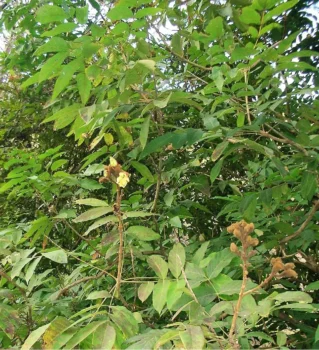
Markhamia: A Tropical Beauty for Warm Climate Gardens
If you’ve ever dreamed of adding a touch of tropical elegance to your garden, you might want to get acquainted with markhamia. This stunning genus of flowering trees brings a slice of African beauty to warm climate landscapes, though it’s definitely not a plant for every garden or every climate zone.
What is Markhamia?
Markhamia is a genus of tropical trees belonging to the trumpet vine family (Bignoniaceae). These trees are native to tropical regions of Africa, particularly East and Central Africa, where they’ve been gracing landscapes for centuries with their impressive stature and show-stopping flowers.
The Visual Appeal
What makes markhamia truly special is its spectacular floral display. These trees produce large, trumpet-shaped flowers in vibrant shades of yellow and orange that practically glow against the backdrop of their attractive compound leaves. When in bloom, a mature markhamia tree is nothing short of breathtaking – it’s the kind of tree that stops people in their tracks and has them asking, What is that gorgeous thing?
Growing Conditions and Care
Before you fall head-over-heels for markhamia, let’s talk reality check. These tropical beauties are quite particular about their growing conditions:
- Climate requirements: USDA hardiness zones 10-12 only – these trees cannot tolerate frost
- Sunlight: Full sun for best flowering
- Soil: Well-draining soil is essential; they don’t like wet feet
- Water: Regular watering during growing season, but allow soil to dry between waterings
- Space: These can grow quite large, so plan accordingly
Garden Role and Landscape Use
In the right climate, markhamia serves as an excellent specimen tree or shade tree for larger landscapes. They work beautifully in tropical and subtropical garden designs, where their exotic flowers and foliage complement other warm-climate plants. However, they’re not suitable for small spaces – these trees need room to spread their branches and show off their natural form.
Wildlife and Pollinator Benefits
Here’s where markhamia really shines in the ecosystem department. Those gorgeous trumpet flowers aren’t just for show – they’re magnets for pollinators. Bees and butterflies flock to the nectar-rich blooms, and in their native habitat, various bird species also visit the flowers. This makes markhamia a valuable addition to pollinator-friendly gardens in appropriate climates.
Should You Plant Markhamia?
The answer depends entirely on where you garden and what you’re looking for. If you live in USDA zones 10-12 and have space for a large tropical tree, markhamia can be a stunning addition to your landscape. However, if you’re passionate about native gardening, you might want to consider indigenous alternatives that provide similar benefits to local wildlife.
For gardeners in cooler climates, markhamia simply isn’t a viable outdoor option – these trees cannot survive temperatures below freezing. You might be able to grow smaller specimens in large containers and bring them indoors during winter, but they won’t reach their full magnificent potential.
Planting and Care Tips
If you’ve decided markhamia is right for your garden, here are some tips for success:
- Plant in spring when all danger of frost has passed
- Choose a location with morning sun and some afternoon protection in extremely hot climates
- Improve drainage if your soil tends to hold water
- Water regularly during establishment, then reduce frequency as the tree matures
- Prune lightly to maintain shape, but avoid heavy pruning which can reduce flowering
- Protect young trees from strong winds
The Bottom Line
Markhamia is undeniably beautiful and can be a showstopper in the right setting. If you live in a suitable climate and have the space, it’s certainly worth considering. Just remember that with non-native plants, we have a responsibility to ensure they don’t escape cultivation and become problematic. Always source plants from reputable nurseries and consider supporting your local ecosystem by also incorporating native plants that provide similar benefits to local wildlife.
Whether you choose markhamia or native alternatives, the goal is creating a beautiful, sustainable garden that brings joy to both you and the creatures that call your landscape home.