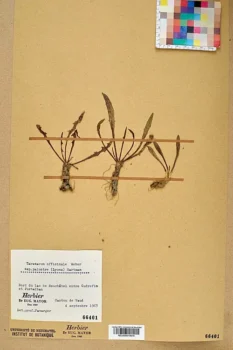
Marsh Dandelion: A Wetland Wonder for Your Garden
If you’ve been searching for a plant that thrives in those soggy spots where other flowers fear to tread, let me introduce you to the marsh dandelion (Taraxacum palustre). This perennial forb might not be a household name like its weedy cousin, but it’s got some serious charm for gardeners who appreciate nature’s more understated beauties.
What is Marsh Dandelion?
Marsh dandelion is a perennial herbaceous plant that forms neat rosettes of deeply lobed leaves, much like the dandelions you’re familiar with, but with a preference for wetter conditions. Also known by its synonym Taraxacum turfosum, this plant belongs to the diverse world of forbs—those non-woody plants that add texture and interest to our landscapes without the commitment of shrubs or trees.
Native Status and Geographic Distribution
Here’s where things get interesting: marsh dandelion isn’t actually native to North America. This European transplant has made itself at home in parts of Canada and the northeastern United States, establishing populations in Ontario, Quebec, Connecticut, and New York. While it reproduces on its own in the wild, it hasn’t been flagged as invasive, so you can grow it without worrying about it taking over your neighborhood.
- Species observed
- No observations
Why Consider Marsh Dandelion for Your Garden?
So why might you want to invite this non-native into your garden? Here are a few compelling reasons:
- Wetland specialist: Perfect for those challenging wet areas where many plants struggle
- Pollinator magnet: The cheerful yellow flowers provide valuable nectar and pollen for bees and butterflies
- Low maintenance: Once established, it pretty much takes care of itself
- Extended growing season: Hardy in USDA zones 3-7, giving northern gardeners a reliable option
Garden Design and Landscape Role
Marsh dandelion shines in naturalized settings where you want that wild meadow look. It’s particularly at home in:
- Rain gardens and bioswales
- Bog gardens and pond margins
- Wet meadow plantings
- Natural drainage areas in your landscape
The plant works beautifully as groundcover in consistently moist areas, creating carpets of green rosettes punctuated by bright yellow blooms.
Growing Conditions and Care
The secret to happy marsh dandelions is simple: keep them wet! These plants thrive in moist to wet soils and can handle conditions that would spell doom for many other perennials. They prefer full sun to partial shade and aren’t picky about soil quality—in fact, they’re quite tolerant of poor drainage, which makes them perfect for those problem spots in your yard.
Care is refreshingly straightforward. Once established, marsh dandelions need little attention beyond ensuring they don’t dry out completely during extended dry spells. They’re cold-hardy performers that will return year after year with minimal fuss.
Considering Native Alternatives
While marsh dandelion can be a useful addition to wet gardens, gardeners interested in supporting local ecosystems might consider native alternatives like wild bergamot, blue flag iris, or swamp milkweed, depending on their specific growing conditions and regional flora.
The Bottom Line
Marsh dandelion offers a practical solution for challenging wet sites while providing ecological benefits through its pollinator support. Though not native, it’s not aggressive either, making it a reasonable choice for gardeners who need a reliable performer in consistently moist conditions. Just remember to source your plants responsibly and consider how they fit into your overall landscape goals.