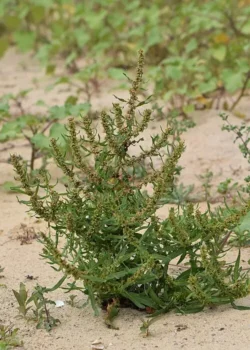
Marsh Dock: A Wetland Plant with Limited Garden Appeal
If you’ve stumbled across the name marsh dock in your plant research, you might be wondering whether this wetland species deserves a spot in your garden. While Rumex palustris isn’t going to win any beauty contests, it’s a fascinating plant with some unique characteristics that make it worth understanding, even if you ultimately decide to pass on planting it.
What Is Marsh Dock?
Marsh dock (Rumex palustris) is a forb – essentially a non-woody plant that can live as an annual, biennial, or perennial depending on conditions. Think of it as the plant world’s equivalent of a flexible freelancer, adapting its life cycle to whatever the environment throws at it. Unlike its woody cousins, marsh dock keeps its growing points at or below ground level, helping it survive harsh conditions.
Native Status and Geographic Distribution
Here’s where things get interesting from a gardening perspective: marsh dock isn’t actually native to North America. It’s classified as a waif – a temporary visitor that occasionally shows up but doesn’t stick around permanently. Currently, you’ll find small populations in California and New Jersey, but don’t expect this plant to become a permanent resident in most North American landscapes.
- Species observed
- No observations
Should You Plant Marsh Dock?
Honestly? Probably not. Here’s why marsh dock might not be the best choice for most gardeners:
- Limited aesthetic appeal with small, inconspicuous flowers
- Non-native status means it doesn’t support local ecosystems as effectively as native plants
- Unpredictable life cycle makes garden planning challenging
- Minimal pollinator benefits since it’s wind-pollinated
Native Alternatives to Consider
Instead of marsh dock, consider these native wetland plants that offer better garden value:
- Wild bergamot (Monarda fistulosa) for pollinator appeal
- Blue flag iris (Iris versicolor) for stunning flowers
- Cardinal flower (Lobelia cardinalis) for hummingbird attraction
- Swamp milkweed (Asclepias incarnata) for monarch butterfly support
If You Still Want to Try Growing Marsh Dock
Despite its limitations, if you’re determined to grow marsh dock for research purposes or botanical curiosity, here’s what you need to know:
Growing Conditions
- Thrives in consistently moist to wet soils
- Prefers full sun to partial shade
- Hardy in USDA zones 3-9
- Facultative wetland plant that can tolerate some drier conditions
Planting and Care Tips
- Plant in spring after last frost
- Maintain consistent soil moisture – never let it completely dry out
- Expect self-seeding, so be prepared for volunteers
- Minimal fertilizer needs; boggy conditions are ideal
- Can grow 1-3 feet tall depending on conditions
The Bottom Line
While marsh dock is an interesting botanical specimen, it’s not the best choice for most North American gardens. Its non-native status, limited ornamental value, and unpredictable nature make it more of a curiosity than a garden staple. Your time and garden space would be better invested in native wetland plants that offer superior wildlife benefits, reliable performance, and genuine beauty.
If you’re passionate about wetland gardening, focus on building habitat with native species that will truly thrive in your local ecosystem. Your local wildlife – and your garden’s overall health – will thank you for making that choice.