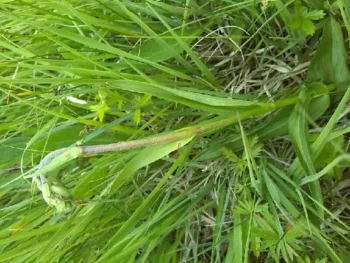
Marsh Orchid: A Delicate European Beauty for Wetland Gardens
If you’ve ever dreamed of growing orchids in your garden but thought they were too finicky for outdoor cultivation, let me introduce you to the marsh orchid. This charming European native brings the exotic allure of orchids to wetland gardens and bog landscapes, though it comes with some special considerations that every gardener should know.
What Makes Marsh Orchid Special
Scientifically known as Epipactis palustris, the marsh orchid is a perennial herbaceous plant that defies the typical houseplant orchid stereotype. Instead of growing in bark chips on your windowsill, this beauty thrives in consistently wet, alkaline soils where few other plants dare to venture.
The plant produces delicate spikes of small but intricate flowers, typically reaching 12-20 inches in height. Each bloom showcases the classic orchid elegance with white petals marked by subtle pink and purple accents. It’s the kind of plant that makes visitors do a double-take – Wait, is that really an orchid growing in a bog?
Where Does It Come From?
Marsh orchid hails from Europe and parts of Asia, where it naturally inhabits alkaline wetlands, fens, and marshy meadows. This European heritage means it’s not native to North American gardens, but it has found its way into the hearts of specialized gardeners who appreciate its unique beauty.
Is Marsh Orchid Right for Your Garden?
Here’s where things get interesting – and a bit complicated. Marsh orchid occupies a special niche that most gardens simply can’t provide. It’s classified as a facultative wetland plant in the Northcentral and Northeast regions, meaning it usually occurs in wetlands but can occasionally tolerate non-wetland conditions.
The Challenges You Should Know About
Before you get too excited, let’s talk reality. Marsh orchid isn’t your typical garden center purchase, and there are several reasons why:
- It requires very specific growing conditions that are difficult to replicate
- The plant depends on complex mycorrhizal relationships with soil fungi
- It’s notoriously difficult to establish and maintain in cultivation
- Seeds require specialized treatment and often fail to germinate reliably
Growing Conditions and Care
If you’re determined to try growing marsh orchid, you’ll need to create very specific conditions:
Soil Requirements: Consistently moist to wet, alkaline soils with good drainage. Think bog-like conditions rather than standing water.
Light Needs: Full sun to partial shade, though morning sun with afternoon protection often works best.
Hardiness: Suitable for USDA zones 4-8, making it adaptable to various climates if moisture needs are met.
Water: This is non-negotiable – the soil must remain consistently moist throughout the growing season.
Pollinator and Wildlife Benefits
When successfully established, marsh orchid does provide some ecological benefits. The flowers attract various insects including flies, beetles, and some bee species. However, since this isn’t a native plant, it won’t support the same level of local wildlife that indigenous species would.
Native Alternatives to Consider
If you love the idea of wetland orchids but want to support native ecosystems, consider these North American alternatives:
- Showy lady’s slipper (Cypripedium reginae)
- Rose pogonia (Pogonia ophioglossoides)
- Grass pink orchid (Calopogon tuberosus)
- White bog orchid (Platanthera dilatata)
The Bottom Line
Marsh orchid is undeniably beautiful and brings a touch of European wetland charm to specialized gardens. However, it’s definitely a plant for experienced gardeners who have the right conditions and plenty of patience. The combination of specific soil requirements, complex root relationships, and establishment challenges makes it more of a specialty hobby plant than a reliable garden staple.
If you have a established bog garden, rain garden, or wetland restoration project and want to try something truly unique, marsh orchid might be worth the challenge. Just be prepared for some trial and error, and consider supporting native orchid species that will better serve your local ecosystem.
Whether you choose to take on the challenge of marsh orchid or opt for native alternatives, remember that any orchid in the garden is a special achievement worth celebrating!