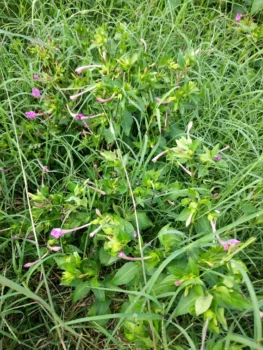
Marvel of Peru: The Evening Star of Your Garden
If you’ve ever wished your garden could put on a magical show every evening, then marvel of Peru (Mirabilis jalapa) might just be the performer you’re looking for. This charming plant, also known as four o’clock, has earned its theatrical reputation by opening its colorful flowers like clockwork each afternoon, creating a daily spectacle that’s both reliable and enchanting.
What Makes Marvel of Peru Special?
Marvel of Peru is a forb herb – essentially a non-woody perennial plant that dies back to the ground each year in colder climates. What sets it apart from other garden flowers is its unique timing. While most flowers greet the morning sun, marvel of Peru saves its grand entrance for late afternoon, typically around 4 PM (hence the four o’clock nickname). The tubular flowers come in a delightful array of colors including pink, red, yellow, white, and even striped combinations, and they release a sweet fragrance that grows stronger as evening approaches.
Where Does Marvel of Peru Come From?
Despite its widespread presence across much of the United States, marvel of Peru is actually a non-native species originally from Peru and the tropical regions of South America’s Andes mountains. It has naturalized extensively and can now be found growing in Alabama, Arizona, Arkansas, California, Connecticut, District of Columbia, Florida, Georgia, Hawaii, Illinois, Indiana, Kentucky, Louisiana, Maryland, Mississippi, Nevada, New Jersey, New York, North Carolina, Ohio, Oklahoma, Oregon, Pennsylvania, Rhode Island, South Carolina, Texas, Vermont, Virginia, Washington, and various U.S. territories including Puerto Rico and the Virgin Islands.
- Species observed
- No observations
Should You Plant Marvel of Peru in Your Garden?
Marvel of Peru can be a delightful addition to the right garden setting, though there are some considerations to keep in mind. Here are the pros and cons:
The Good:
- Creates evening interest in your garden when other flowers are closing
- Attracts night-flying moths and hummingbirds
- Easy to grow and requires minimal care
- Tolerates heat and drought once established
- Available in multiple color combinations
- Self-seeds readily for continuous display
The Considerations:
- Can spread aggressively through self-seeding
- As a non-native plant, it doesn’t support local ecosystems as effectively as native alternatives
- May require management to prevent unwanted spreading
Growing Conditions and Care
Marvel of Peru is refreshingly low-maintenance, making it perfect for both novice and busy gardeners. It thrives in USDA hardiness zones 9-11 as a perennial, but can be grown as an annual in colder regions.
Ideal Growing Conditions:
- Sunlight: Full sun to partial shade
- Soil: Well-draining soil of average fertility
- Water: Moderate water needs; drought tolerant once established
- Wetland tolerance: Generally prefers upland conditions and rarely occurs in wetlands
Planting and Care Tips:
- Start from seed indoors 6-8 weeks before the last frost, or direct sow after soil warms
- Space plants 12-18 inches apart
- Water regularly during establishment, then reduce frequency
- No fertilization needed in average soils
- Deadhead spent flowers to prevent excessive self-seeding if desired
- In colder zones, treat as an annual or dig up tubers to store indoors
Garden Design Ideas
Marvel of Peru works wonderfully in cottage gardens, informal borders, and evening gardens where you can appreciate its late-day performance. It’s particularly effective when planted near patios, decks, or windows where you can enjoy the evening fragrance. The plant typically reaches 2-4 feet in height and width, making it suitable for middle to back borders.
Native Alternatives to Consider
While marvel of Peru can be a charming garden addition, consider these native alternatives that provide similar benefits while supporting local wildlife:
- Wild bergamot (Monarda fistulosa): Attracts hummingbirds and has fragrant flowers
- Evening primrose (Oenothera species): Opens in evening like four o’clock
- Cardinal flower (Lobelia cardinalis): Excellent for hummingbirds with tubular red flowers
- Native honeysuckles (Lonicera species): Evening-fragrant flowers for night pollinators
The Bottom Line
Marvel of Peru offers a unique garden experience with its evening flower display and sweet fragrance. While it’s not native to North America, it’s not considered invasive either, making it a reasonable choice for gardeners who appreciate its special timing and easy care. Just be prepared to manage its enthusiastic self-seeding habit, and consider incorporating native alternatives alongside it to create a garden that’s both beautiful and beneficial to local wildlife.
Whether you choose marvel of Peru for its reliable evening show or opt for native alternatives, the key is creating a garden space that brings you joy while being mindful of the broader ecosystem. After all, the best garden is one that makes both you and your local wildlife happy.