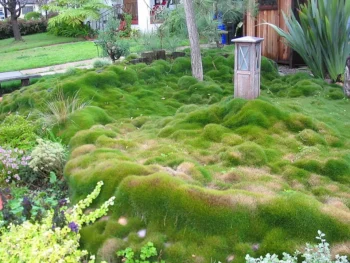
Mascarene Grass: A Fine-Textured Ground Cover for Warm Climates
Looking for a lush, carpet-like ground cover that can handle coastal conditions and requires minimal fuss? Mascarene grass (Zoysia tenuifolia) might just be the answer to your landscaping prayers. This fine-textured perennial grass creates a dense, uniform mat that’s perfect for areas where traditional turf struggles.
What is Mascarene Grass?
Mascarene grass is a warm-season perennial grass known for its incredibly fine texture and dense growth habit. Originally hailing from the Mascarene Islands in the Indian Ocean (hence its common name), this grass has found its way into gardens across warmer regions of the United States. You might also see it listed under its scientific synonyms, including Zoysia matrella var. tenuifolia.
Where Does Mascarene Grass Grow?
In the United States, Mascarene grass has established itself in Florida, Louisiana, and Puerto Rico. It’s a non-native species that has naturalized in these areas, reproducing on its own and persisting in the wild. The plant thrives in USDA hardiness zones 9-11, making it suitable only for the warmest regions of the country.
- Species observed
- No observations
Why Choose Mascarene Grass?
This little grass packs quite a punch in the aesthetics department. Here’s what makes it appealing:
- Creates a smooth, carpet-like appearance with its fine, narrow leaves
- Forms dense mats that suppress weeds naturally
- Tolerates salt spray, making it perfect for coastal gardens
- Requires less water than many traditional lawn grasses once established
- Handles foot traffic reasonably well
- Works beautifully as erosion control on gentle slopes
Garden Roles and Design Uses
Mascarene grass shines as a versatile ground cover in several landscape scenarios:
- Lawn substitute in small to medium-sized areas
- Coastal garden ground cover where salt tolerance is crucial
- Tropical and subtropical landscape designs
- Erosion control on slopes and embankments
- Low-maintenance areas where you want green coverage without the fuss
Growing Conditions and Care
The good news is that Mascarene grass isn’t particularly demanding once you understand its preferences:
Light: Full sun to partial shade, though it performs best with plenty of sunlight
Soil: Well-draining soil is essential – this grass doesn’t appreciate soggy feet
Water: Moderate water needs; drought tolerant once established
Climate: Thrives in warm, humid conditions and tolerates salt spray
Planting and Maintenance Tips
Getting Mascarene grass established is relatively straightforward:
- Plant plugs or sprigs in spring for best establishment
- Space plantings 6-12 inches apart – the grass will fill in via spreading stolons
- Water regularly during the first growing season to help establishment
- Apply a balanced fertilizer 2-3 times during the growing season
- Mow occasionally to maintain desired height (typically 1-2 inches)
- Remove weeds by hand until the grass forms a dense mat
Wildlife and Pollinator Considerations
As a grass species, Mascarene grass provides minimal benefits to pollinators like bees and butterflies. However, dense grass areas can offer habitat for small wildlife and ground-dwelling creatures.
A Note on Native Alternatives
While Mascarene grass can be an attractive and functional choice, it’s worth considering native alternatives that provide similar benefits while supporting local ecosystems. Depending on your region, native sedges, indigenous grasses, or other ground covers might offer comparable aesthetic appeal with added ecological value.
Is Mascarene Grass Right for Your Garden?
Mascarene grass could be perfect for your landscape if you’re dealing with coastal conditions, want a low-maintenance ground cover, or need something that can handle the heat and humidity of zones 9-11. Just remember that this fine-textured beauty is a warm-climate specialist – it won’t survive freezing temperatures, so northern gardeners will need to look elsewhere for their ground cover needs.
With its carpet-like texture and easygoing nature, Mascarene grass offers a practical solution for challenging landscape situations where you need reliable, attractive ground coverage without constant maintenance.