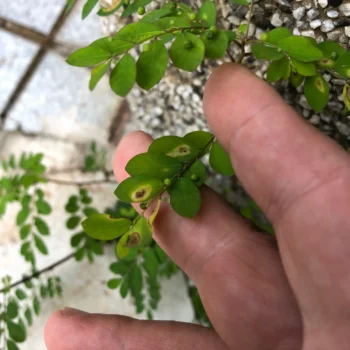
Mascarene Island Leaf-Flower: A Small Plant with Big Considerations for Your Garden
Meet the Mascarene Island leaf-flower (Phyllanthus tenellus), a tiny annual herb that’s probably not on your garden wish list—and for good reason. While this diminutive plant might seem harmless enough, there are some important things every gardener should know before encountering it in their landscape.
What Is Mascarene Island Leaf-Flower?
Phyllanthus tenellus is a small annual forb, which simply means it’s a soft-stemmed, non-woody plant that completes its life cycle in one growing season. Originally hailing from the Mascarene Islands in the Indian Ocean (think Mauritius and Réunion), this little plant has made itself quite at home in warmer regions of the United States.
As a forb, it lacks the woody tissue you’d find in shrubs or trees, instead producing delicate stems and tiny leaves. Don’t expect much in the way of garden glamour—this plant is more functional than fabulous, with inconspicuous flowers that won’t win any beauty contests.
Where You’ll Find It
This non-native species has established itself across a surprising number of states, reproducing spontaneously without any help from gardeners. You can find Mascarene Island leaf-flower growing wild in Alabama, Florida, Georgia, Hawaii, Louisiana, Mississippi, North Carolina, Ohio, South Carolina, Tennessee, Texas, and Puerto Rico.
- Species observed
- No observations
The Not-So-Great News
Here’s where things get serious: Alabama has classified Phyllanthus tenellus as a Class C noxious weed. While we don’t have complete invasive status information for other states, this designation should raise some red flags for gardeners everywhere.
When a plant earns noxious weed status, it means it’s considered harmful to agriculture, natural resources, or public health. Even though it might look innocent enough, this little leaf-flower has the potential to cause problems in the right (or wrong) conditions.
Should You Plant It?
The short answer? No. Given its noxious weed classification and non-native status, we strongly recommend against intentionally planting Mascarene Island leaf-flower. Instead, consider these native alternatives that can provide similar low-growing coverage:
- Native ground-hugging wildflowers appropriate to your region
- Indigenous annual herbs that support local ecosystems
- Regional native plants that attract beneficial pollinators
Growing Conditions and Hardiness
For identification purposes, it’s helpful to know that this plant thrives in USDA hardiness zones 9-11, preferring warm, humid conditions. It’s remarkably adaptable, growing in various soil types and particularly loving disturbed, open areas—which partly explains how it spreads so readily.
You’re most likely to spot it volunteering in gardens, along pathways, or in other areas where the soil has been disturbed. It self-seeds easily, which contributes to its persistence in suitable climates.
What to Do If You Find It
If you discover Mascarene Island leaf-flower growing in your garden, consider removing it, especially if you live in Alabama where it’s officially classified as noxious. Since it’s an annual, prevention of seed production is key to controlling its spread.
Always check with your local extension office or native plant society for guidance on managing non-native species in your specific area. They can provide region-appropriate advice and suggest native alternatives that will better support your local ecosystem.
The Bottom Line
While Phyllanthus tenellus might seem like just another small garden volunteer, its noxious weed status and non-native origins make it a plant to avoid rather than cultivate. Your garden—and your local ecosystem—will be better served by choosing native species that provide habitat and food sources for local wildlife while adding genuine beauty to your landscape.
Remember, being a responsible gardener means considering not just what looks good in our own spaces, but what’s best for the broader environment around us. In this case, that means giving the Mascarene Island leaf-flower a polite pass.