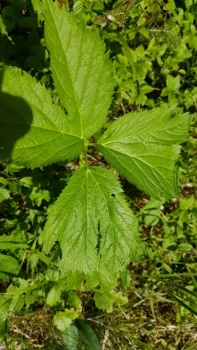
Masterwort: A European Perennial for Shade Gardens
Looking for an elegant perennial that thrives in those tricky shady spots? Meet masterwort (Peucedanum ostruthium), a charming European native that’s made itself at home in North American gardens. While it might not be a local wildflower, this adaptable plant brings unique beauty to woodland settings with its delicate white blooms and attractive foliage.
What Is Masterwort?
Masterwort is a herbaceous perennial forb – essentially a non-woody plant that dies back to the ground each winter and returns the following spring. Originally from the mountainous regions of Europe, particularly the Alps and Pyrenees, this plant has been cultivated in gardens for centuries. You might also see it listed under its botanical synonym, Imperatoria ostruthia.
Where Does It Grow?
In North America, masterwort has established itself as a non-native species that reproduces on its own in the wild. You can find it growing in several states and provinces, including Nova Scotia, Ontario, Michigan, New York, Pennsylvania, Tennessee, and West Virginia. It tends to persist once established, showing its hardy nature.
- Species observed
- No observations
Garden Appeal and Design Role
What makes masterwort special in the garden? Its umbrella-shaped clusters of small white flowers create an airy, delicate appearance that’s perfect for woodland gardens and shaded borders. The compound leaves add textural interest even when the plant isn’t blooming. It works beautifully as:
- A naturalized groundcover in woodland settings
- An accent plant in shade gardens
- Part of a cottage garden design
- A companion to hostas, ferns, and other shade perennials
Growing Conditions and Care
Masterwort is refreshingly low-maintenance once you get it established. Here’s what it needs to thrive:
Light: Partial shade to full shade – perfect for those spots where sun-loving plants struggle.
Soil: Prefers moist, well-drained soil but is quite adaptable to different soil types.
Hardiness: Tough enough for USDA zones 4-7, making it suitable for most temperate climates.
Water: Appreciates consistent moisture but won’t tolerate waterlogged conditions.
Planting and Care Tips
Getting masterwort established is straightforward:
- Plant in spring or early fall when temperatures are moderate
- Space plants about 12-18 inches apart
- Water regularly during the first growing season
- Once established, it can spread via underground rhizomes
- Cut back spent flowers to encourage continued blooming
- Divide clumps every 3-4 years to maintain vigor
Benefits for Pollinators
The umbrella-shaped flower clusters aren’t just pretty – they’re also valuable to pollinators. Bees, beneficial insects, and other small pollinators appreciate the accessible nectar and pollen that masterwort provides during its blooming period.
Should You Grow Masterwort?
While masterwort can be a lovely addition to shade gardens, it’s worth considering native alternatives first. Since it’s not a North American native, it won’t provide the same ecological benefits as indigenous plants. However, if you’re drawn to its unique charm and have a spot where it would thrive, it’s not considered invasive or problematic.
For gardeners interested in supporting local ecosystems, consider native alternatives like wild ginger (Asarum canadense), foamflower (Tiarella cordifolia), or native woodland asters that provide similar aesthetic appeal while supporting local wildlife.
The Bottom Line
Masterwort offers European elegance for North American shade gardens. While it’s not native, it’s also not aggressive or problematic. If you decide to grow it, you’ll enjoy its delicate white blooms and easy-care nature. Just remember to give native plants priority in your garden planning – they’re the real MVPs for supporting local wildlife and maintaining healthy ecosystems.