Mat Amaranth: A Hardy Ground Cover for Challenging Garden Spots
If you’re dealing with a stubborn patch of poor soil or a disturbed area that nothing seems to want to grow in, you might want to get acquainted with mat amaranth (Amaranthus blitoides). This unassuming little plant has made quite a name for itself across North America, though it didn’t start out here. Let’s dive into what makes this hardy annual tick and whether it deserves a spot in your garden.
What Exactly Is Mat Amaranth?
Mat amaranth is an annual forb that lives up to its name by forming low, sprawling mats across the ground. As a non-native species that was introduced to North America, it has shown remarkable adaptability, establishing itself from coast to coast and border to border. You’ll find this resilient plant growing everywhere from Alabama to Alaska, and from British Columbia down to Texas.
This widespread distribution speaks to mat amaranth’s incredible tolerance for different conditions. It has established populations across all lower 48 states, most Canadian provinces, and even Alaska, making it one of the most geographically diverse non-native plants on the continent.
- Species observed
- No observations
The Look and Feel of Mat Amaranth
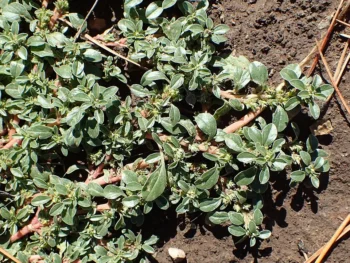
Don’t expect mat amaranth to win any beauty contests. This plant is all about function over form, with small, inconspicuous flowers and a prostrate growth habit that keeps it close to the ground. It typically grows only a few inches tall but can spread outward to form mats several feet across. The plant produces tiny, wind-pollinated flowers that won’t attract bees or butterflies to your garden.
Where Mat Amaranth Thrives
One of mat amaranth’s superpowers is its ability to grow in places other plants consider inhospitable. It loves full sun and actually prefers poor to average soils – the kind of spots where more finicky plants throw in the towel. Once established, it’s remarkably drought tolerant and seems to thrive in disturbed areas like roadsides, vacant lots, and construction sites.
The plant’s wetland preferences vary dramatically by region. In some areas like Alaska and Hawaii, it’s considered an obligate upland species that almost never occurs in wetlands. However, in regions like the Atlantic and Gulf Coastal Plain, Eastern Mountains, Great Plains, and Western Mountains, it can occur in both wetlands and uplands, showing its remarkable adaptability.
Growing Mat Amaranth Successfully
If you decide to grow mat amaranth, you’ll find it’s refreshingly low-maintenance. Here are the key growing tips:
- Sunlight: Full sun is essential for best growth
- Soil: Thrives in poor to average soils; avoid rich, amended garden beds
- Water: Drought tolerant once established; minimal watering needed
- Climate: Hardy across USDA zones 3-10 as an annual
- Propagation: Self-seeds readily; direct sow in spring after frost danger passes
Should You Plant Mat Amaranth?
Here’s where things get interesting. Mat amaranth isn’t invasive or noxious, but it’s also not native to North America. If you’re looking for a tough ground cover for challenging spots, it can certainly do the job. However, before you commit to this non-native option, consider whether native alternatives might serve your garden better while supporting local ecosystems.
Mat amaranth is best suited for:
- Naturalized or wild areas of your property
- Xeriscapes or drought-tolerant landscapes
- Areas with poor soil where other plants struggle
- Temporary ground cover for disturbed sites
Native Alternatives to Consider
Before settling on mat amaranth, you might want to explore native ground covers that could provide similar benefits while supporting local wildlife. Many regions have native amaranth species or other low-growing natives that are better adapted to local conditions and provide food sources for native insects and birds.
Research native plant societies in your area or consult with local extension services to find native alternatives that might work even better in your specific location and soil conditions.
The Bottom Line
Mat amaranth is a remarkably tough little plant that can solve ground cover problems in challenging locations. While it won’t win any awards for beauty and doesn’t offer much to pollinators or wildlife, it excels at stabilizing soil and covering ground where little else will grow. Just remember that with great adaptability comes great responsibility – this plant’s tendency to self-seed means it might show up in places you didn’t intend. Weigh your options carefully and consider native alternatives that might serve your garden and local ecosystem even better.