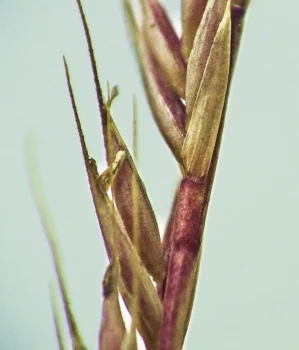
Mat-Grass Fescue: A Delicate Mediterranean Grass for Coastal Gardens
If you’re looking for a low-maintenance grass that can handle tough coastal conditions, mat-grass fescue (Vulpia unilateralis) might catch your attention. This delicate annual grass brings a touch of Mediterranean charm to gardens, though it’s worth understanding what you’re getting into before adding it to your landscape.
What is Mat-Grass Fescue?
Mat-grass fescue is a small, annual grass that belongs to the Poaceae family. You might also see it listed under its scientific synonym, Nardurus maritimus. This grass is characterized by its narrow leaves and distinctive one-sided flower spikes that give it a delicate, almost wispy appearance.
Where Does It Come From?
This grass calls the Mediterranean region home, naturally occurring along the coastal areas of Europe and North Africa. It has adapted to thrive in the challenging conditions found near the sea, including sandy soils, salt spray, and periods of drought.
Should You Plant Mat-Grass Fescue?
The answer depends on what you’re trying to achieve in your garden. Here are some considerations:
Reasons You Might Want It:
- Excellent for coastal gardens where many plants struggle
- Requires minimal care once established
- Adds texture and movement to Mediterranean-style landscapes
- Thrives in poor, sandy soils where other grasses fail
- Self-seeds readily for natural-looking plantings
Reasons to Think Twice:
- Not native to North America, so it doesn’t support local wildlife as effectively
- Annual growth means it dies back each year
- Limited ornamental appeal compared to showier grasses
- May self-seed more than desired in some gardens
Native Alternatives to Consider
Before planting mat-grass fescue, you might want to explore native grass options that provide similar benefits while supporting local ecosystems. Consider researching native bunch grasses or coastal grasses specific to your region that can offer the same drought tolerance and low-maintenance appeal.
Growing Mat-Grass Fescue Successfully
Ideal Growing Conditions:
- Sunlight: Full sun
- Soil: Well-draining, sandy or rocky soils
- Water: Drought tolerant once established
- Climate: Best suited for USDA hardiness zones 8-10
Planting Tips:
Mat-grass fescue is typically grown from seed rather than transplants. Direct seed in fall or early spring when temperatures are cool. Simply scatter seeds over prepared soil and lightly rake them in. The seeds are quite small, so don’t bury them too deeply.
Care and Maintenance:
One of the best things about mat-grass fescue is how little attention it needs. Once established, it’s quite drought tolerant and doesn’t require fertilization. In fact, rich soils might actually work against it. The grass will complete its life cycle and drop seeds for the following year’s growth.
Garden Design Ideas
Mat-grass fescue works well in naturalistic plantings where you want a casual, wind-swept look. It’s particularly effective in coastal gardens, Mediterranean-themed landscapes, or areas where you’re trying to establish vegetation in challenging conditions. Consider using it as a groundcover in areas with poor soil where other plants struggle to establish.
Wildlife and Ecosystem Value
As a wind-pollinated grass, mat-grass fescue doesn’t offer significant benefits to pollinators like bees and butterflies. Its value to North American wildlife is limited since it’s not part of the native ecosystem that local creatures have evolved with over thousands of years.
The Bottom Line
Mat-grass fescue can be a useful plant for specific situations, particularly if you’re dealing with coastal conditions or poor soils where few other plants thrive. However, for most gardeners, exploring native grass alternatives will provide better ecological value while still meeting your landscaping needs. If you do choose to plant it, enjoy its low-maintenance nature and delicate texture, but keep an eye on its self-seeding habits to ensure it doesn’t spread beyond where you want it.