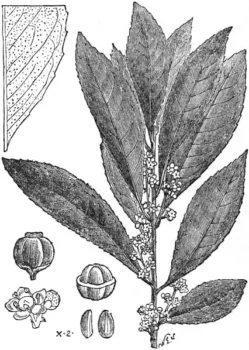
Growing Mate (Ilex paraguariensis): The Tea Plant That’s More Than Just a Beverage
If you’ve ever sipped yerba mate, you’ve tasted the leaves of Ilex paraguariensis – a fascinating evergreen shrub that’s found its way into Hawaiian gardens. Also known as Paraguay tea, this South American native has an interesting story and some unique growing requirements that make it both intriguing and challenging for gardeners.
What Exactly Is Mate?
Mate is a perennial evergreen shrub that typically grows as a multi-stemmed woody plant, usually staying under 13-16 feet in height. Its glossy, serrated leaves are what make this plant famous – they’re harvested and dried to create the traditional South American beverage yerba mate. The plant produces small, inconspicuous white flowers that eventually develop into bright red berries on female plants.
Native Status and Distribution
Here’s where things get interesting from a native gardening perspective. Mate is not native to the United States – it originally hails from the subtropical regions of South America, including Argentina, Paraguay, Uruguay, and southern Brazil. However, it has established itself in Hawaii, where it now reproduces spontaneously in the wild without human intervention.
- Species observed
- No observations
Currently, mate is only documented as growing in Hawaii within the United States, thriving in the tropical climate that somewhat mimics its South American homeland.
Should You Plant Mate in Your Garden?
The decision to grow mate depends on several factors. While it’s not currently listed as invasive or noxious, its ability to reproduce and persist in the wild in Hawaii does raise some ecological considerations. If you’re passionate about native gardening, you might want to consider native alternatives that provide similar benefits to local ecosystems.
That said, mate can be an interesting addition to the right garden, especially if you’re interested in growing your own tea or creating a unique conversation piece.
Growing Conditions and Care
Mate is quite particular about its growing conditions, which makes sense given its specific native habitat:
- Climate: Thrives in USDA hardiness zones 9-11
- Light: Prefers partial shade rather than full sun
- Soil: Needs well-draining, acidic soil
- Water: Requires consistent moisture but not waterlogged conditions
- Temperature: Prefers subtropical to tropical conditions
Planting and Care Tips
If you decide to grow mate, here are some essential care guidelines:
- Plant in a location with morning sun and afternoon shade
- Maintain consistent soil moisture through regular watering
- Apply organic mulch around the base to retain moisture and regulate soil temperature
- Prune lightly to maintain shape and encourage bushier growth
- Fertilize with an acid-loving plant fertilizer during the growing season
Landscape Role and Design
In the right setting, mate can serve as an attractive evergreen screening plant or specimen shrub. Its glossy foliage provides year-round interest, and the small white flowers, while not showy, do attract bees and other pollinators. Female plants will produce decorative red berries that add seasonal color.
This plant works best in subtropical and tropical garden settings, and it can also be grown in large containers if you want to control its spread or bring it indoors during cooler weather in marginal climates.
Consider Native Alternatives
If you’re committed to native gardening, consider exploring native holly species or other evergreen shrubs that are indigenous to your area. These alternatives will provide similar aesthetic benefits while supporting local ecosystems and wildlife that have evolved alongside these plants.
The Bottom Line
Mate is an interesting plant with a rich cultural history and unique growing requirements. While it’s not invasive or noxious, its non-native status means it won’t provide the same ecological benefits as indigenous plants. If you do choose to grow it, approach it as you would any specialty plant – with attention to its specific needs and awareness of its place in your local ecosystem.
Whether you’re drawn to its connection to traditional South American culture or simply intrigued by growing your own tea, mate can be a fascinating addition to the right garden in the right climate.