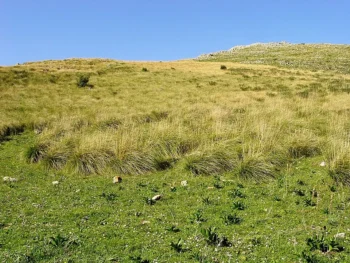
Mauritanian Grass: A Bold Mediterranean Beauty for Drought-Tolerant Gardens
If you’re looking to add some serious drama to your landscape, Mauritanian grass (Ampelodesmos mauritanicus) might just be the showstopper you’ve been searching for. This impressive perennial grass brings Mediterranean flair to American gardens with its towering presence and feathery plumes that dance in the breeze.
What Exactly Is Mauritanian Grass?
Mauritanian grass is a large, clump-forming perennial grass that belongs to the same family as wheat and barley. Don’t let its elegant appearance fool you – this is one tough plant that’s built to survive in challenging conditions. Originally from the Mediterranean region of North Africa and southern Europe, it has found a new home in California’s similar climate.
You might also see this plant listed under its scientific name Ampelodesmos mauritanicus, or occasionally under older botanical names like Ampelodesmos mauritanica or Stipa mauritanica.
Where Does It Grow?
In the United States, Mauritanian grass has established itself in California, where the Mediterranean climate suits its preferences perfectly. As a non-native species that reproduces on its own in the wild, it has adapted well to the Golden State’s conditions.
- Species observed
- No observations
The Good, The Bad, and The Beautiful
Let’s be honest – Mauritanian grass is absolutely stunning. Here’s what makes it special:
- Dramatic height reaching 6-10 feet tall with similar spread
- Gorgeous feathery seed heads that create movement and texture
- Excellent drought tolerance once established
- Year-round presence as an evergreen perennial
- Low maintenance requirements
However, there are some considerations to keep in mind. Since it’s not native to North America, it doesn’t provide the same ecological benefits as indigenous grasses. While its current invasive status isn’t well-documented, responsible gardeners might want to consider native alternatives that better support local wildlife and ecosystems.
Perfect Spots for Mauritanian Grass
This grass shines in Mediterranean-style gardens, contemporary landscapes, and anywhere you want to make a bold statement. It’s particularly effective as:
- A dramatic specimen plant or focal point
- Privacy screening (though somewhat see-through)
- Erosion control on slopes
- Background plantings in mixed borders
- Naturalized areas with minimal irrigation
Growing Conditions and Care
The beauty of Mauritanian grass lies in its simplicity. It thrives in USDA hardiness zones 8-11 and prefers:
- Full sun exposure (6+ hours daily)
- Well-draining soil – it absolutely hates wet feet
- Poor to moderately fertile soil (too rich and it gets floppy)
- Minimal water once established
Planting and Care Tips
Getting Mauritanian grass established is straightforward:
- Plant in spring after the last frost
- Space plants 6-8 feet apart – they get big!
- Water regularly the first year, then back off significantly
- Cut back old growth in late winter before new shoots emerge
- No fertilization needed in most cases
Wildlife and Pollinator Value
While Mauritanian grass adds visual appeal to your garden, it offers limited benefits to local wildlife. As a wind-pollinated grass, it doesn’t attract many pollinators, and native birds and insects haven’t evolved alongside it.
Native Alternatives to Consider
If you love the look of Mauritanian grass but want to support local ecosystems, consider these native alternatives:
- Giant wild rye (Leymus condensatus) – California native with similar dramatic presence
- Purple needlegrass (Stipa pulchra) – California’s state grass
- Deer grass (Muhlenbergia rigens) – Beautiful clumping grass perfect for dry gardens
The Bottom Line
Mauritanian grass is undeniably gorgeous and incredibly low-maintenance once established. If you’re drawn to its Mediterranean charm and dramatic presence, it can be a stunning addition to the right garden. Just remember to be a thoughtful gardener – consider the ecological impact of your choices and perhaps explore native alternatives that can provide similar aesthetic appeal while supporting local wildlife. Whatever you choose, make sure it’s the right plant for your specific garden conditions and goals.