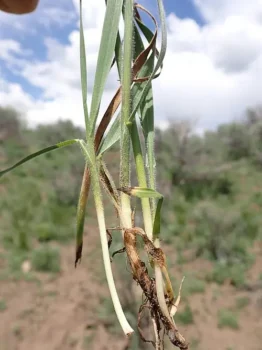
Meadow Brome: A Grass with More Questions Than Answers
If you’ve stumbled across the name meadow brome or meadow bromegrass (scientifically known as Bromus riparius) in your plant research, you’re not alone in finding yourself scratching your head. This particular grass species is something of a botanical mystery, with limited information available compared to its better-known brome grass cousins.
What We Know (And Don’t Know) About Meadow Brome
Meadow brome belongs to the large family of brome grasses, which are found worldwide. Like other members of its family, it’s a monocot grass that would typically display the characteristic narrow, blade-like leaves and seed heads that sway in the breeze. However, when it comes to specific details about Bromus riparius, the plant world seems to have kept its secrets well-guarded.
The uncertainty surrounding this species extends to some pretty fundamental questions:
- Where is it actually native to?
- What are its specific growing requirements?
- How tall does it get?
- Is it annual or perennial?
The Native Plant Gardener’s Dilemma
Here’s where things get tricky for native plant enthusiasts. Without clear information about where meadow brome is truly native, it’s impossible to recommend it confidently for native landscaping projects. The brome grass family has a complicated relationship with North American ecosystems – some species are beloved natives, while others are aggressive non-natives that have caused ecological problems.
Given this uncertainty, I’d suggest looking into well-documented native grass alternatives that can provide similar aesthetic benefits without the guesswork. Consider these tried-and-true options instead:
- Little bluestem (Schizachyrium scoparium)
- Buffalo grass (Bouteloua dactyloides)
- Prairie dropseed (Sporobolus heterolepis)
- Blue grama (Bouteloua gracilis)
A Word of Caution
The brome grass family includes several species that have become invasive in North America, outcompeting native plants and disrupting local ecosystems. While we don’t have specific invasive status information for Bromus riparius, this family history should give us pause.
If you’re committed to exploring brome grasses, I’d strongly recommend sticking with species that are definitively native to your region and have well-documented ecological benefits.
The Bottom Line
Sometimes in the plant world, the most honest answer is we need more information. Meadow brome appears to be one of those plants that hasn’t received much attention from researchers or hasn’t been widely cultivated, leaving gardeners with more questions than answers.
For native plant gardeners, this uncertainty is reason enough to look elsewhere. There are so many well-documented, locally native grasses that can provide beauty, wildlife habitat, and ecological benefits without the risk of introducing something potentially problematic to your landscape.
When in doubt, choose the known over the unknown – your local ecosystem will thank you for it!