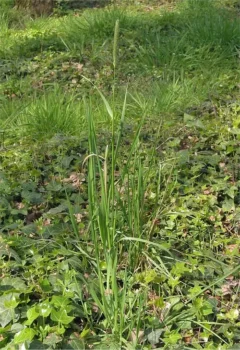
Meadow Foxtail: A Hardy Grass for Wet Areas
If you’ve ever wondered what that soft, fuzzy grass with the distinctive bottle-brush-like flowers is called, you’ve likely encountered meadow foxtail (Alopecurus pratensis). This perennial grass gets its charming common name from its cylindrical flower spikes that bear an uncanny resemblance to a fox’s fluffy tail swishing in the breeze.
What Is Meadow Foxtail?
Meadow foxtail is a cool-season perennial grass that belongs to the same family as lawn grasses, but with a much wilder personality. This rhizomatous grass forms dense clumps and can reach up to 3 feet tall, making it a substantial presence in any landscape. During spring and summer, it produces those characteristic yellow flower spikes that give it its fox-tail moniker.
Native Status and Distribution
Here’s where things get interesting: meadow foxtail isn’t actually native to North America. This European and Asian native has made itself quite at home across the continent, establishing populations from coast to coast. You’ll find it thriving in nearly every U.S. state and Canadian province, from Alaska down to Alabama and everywhere in between.
- Species observed
- No observations
While it’s considered a non-native species, meadow foxtail has naturalized extensively and reproduces readily in the wild without human intervention. It’s become part of the established flora in many regions, though it’s always worth considering native alternatives when planning your garden.
Why (or Why Not) Grow Meadow Foxtail?
Meadow foxtail shines in specific situations, particularly if you’re dealing with wet, challenging areas in your landscape. Here’s what makes it appealing:
- Excellent for wet soil areas where other grasses struggle
- Rapid growth rate means quick establishment
- Long lifespan provides lasting ground cover
- Tolerates a wide pH range (5.8 to 8.0)
- Hardy in cold climates (down to -38°F)
- Great for erosion control on slopes
However, there are some considerations to keep in mind:
- Can be aggressive in ideal growing conditions
- Requires consistently moist soil and high fertility
- Not drought tolerant
- May not be the best choice for formal gardens
Perfect Growing Conditions
Meadow foxtail is happiest when its feet are wet – literally. This grass thrives in facultative wetland conditions, meaning it usually prefers wetlands but can tolerate drier sites occasionally. Think of it as nature’s solution for those soggy spots in your yard that leave other plants gasping.
Key growing requirements include:
- Moisture: High water needs – perfect for rain gardens and pond edges
- Soil: Adapts to medium and fine-textured soils
- Sunlight: Full sun (shade intolerant)
- Fertility: High nutrient requirements
- Climate: USDA zones 3-8, needs at least 90 frost-free days
Landscape Uses and Design Ideas
Meadow foxtail works beautifully in naturalized landscapes where you want that wild meadow aesthetic. Consider it for:
- Meadow and prairie-style gardens
- Rain gardens and bioswales
- Pond and stream edges
- Erosion control on wet slopes
- Wildlife habitat areas
Its coarse texture and erect growth habit provide excellent structure in informal plantings, and the spring flower display adds seasonal interest.
Planting and Care Tips
Growing meadow foxtail is refreshingly straightforward if you can meet its basic needs:
Starting from Seed: This grass propagates readily from seed, with about 406,880 seeds per pound. Spring is the ideal planting time, and you can expect rapid germination with high seedling vigor.
Soil Preparation: Ensure good drainage despite the plant’s love for moisture – it doesn’t tolerate anaerobic (oxygen-poor) conditions.
Maintenance: Once established, meadow foxtail is fairly low-maintenance. It has rapid regrowth after cutting and can handle medium fire tolerance if needed for management.
Fertilization: Given its high fertility requirements, plan to provide regular nutrients, especially in poor soils.
Wildlife and Ecological Benefits
While meadow foxtail may not be a native species, it does provide some ecological value. As a dense grass, it offers habitat structure for small wildlife and ground-nesting birds. The seeds can provide food for birds, though the plant is wind-pollinated and doesn’t directly support pollinators like flowering plants do.
Consider Native Alternatives
If you’re leaning toward native plantings, consider these alternatives that might fill similar roles:
- Native sedges (Carex species) for wet areas
- Blue joint grass (Calamagrostis canadensis) in northern regions
- Prairie cordgrass (Spartina pectinata) for very wet sites
The Bottom Line
Meadow foxtail is a robust, reliable grass that excels in wet conditions where many other plants would fail. While it’s not native, it has found its niche in North American landscapes and can be a practical solution for challenging wet areas. Just be prepared for its enthusiastic growth habits, and always consider whether a native alternative might better serve your local ecosystem.
Whether you choose meadow foxtail or explore native options, the key is matching the right plant to your specific site conditions and landscape goals. After all, the best garden is one where both plants and gardener can thrive together!