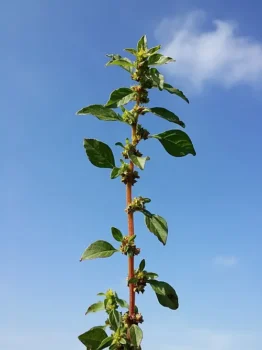
Mediterranean Amaranth: A Non-Native Annual Worth Understanding
Mediterranean amaranth (Amaranthus graecizans) might not be the showiest plant in your garden, but this little annual forb has some interesting characteristics that are worth knowing about. Whether you’re trying to identify a mystery plant that’s popped up in your yard or considering your options for low-maintenance ground cover, let’s dive into what makes this Mediterranean native tick.
What Exactly Is Mediterranean Amaranth?
Also known as spreading pigweed or tumbleweed, Mediterranean amaranth is an annual forb that belongs to the amaranth family. As a forb, it’s a herbaceous plant without woody stems – think of it as the plant world’s equivalent of a sprinter rather than a marathon runner. It completes its entire life cycle in one growing season, then starts fresh from seed the next year.
This plant is a non-native species that has established itself in parts of the United States, including New Jersey, Guam, and some U.S. Minor Outlying Islands. It’s one of those plants that arrived from elsewhere but has managed to make itself at home, reproducing on its own without any help from gardeners.
- Species observed
- No observations
Should You Plant Mediterranean Amaranth?
Here’s where things get interesting. While Mediterranean amaranth isn’t necessarily harmful to your garden ecosystem, it’s also not the most exciting choice for intentional planting. This plant falls into the facultative upland category, meaning it usually prefers non-wetland areas but can occasionally handle some moisture.
The Pros:
- Extremely low-maintenance once established
- Tolerates poor soil conditions
- Drought-tolerant
- Quick to establish as an annual
The Cons:
- Not particularly ornamental
- Can self-seed aggressively
- Offers limited benefits to local wildlife and pollinators
- Takes up space that could be used for native species
Growing Conditions and Care
If Mediterranean amaranth does show up in your garden (and it might, whether you planted it or not), it’s pretty easy-going. This plant thrives in full sun and isn’t picky about soil quality – in fact, it often does better in poor, disturbed soils than in rich garden beds.
As a facultative upland species, it prefers well-draining areas but won’t throw a fit if it occasionally gets its feet wet. The plant is wind-pollinated, so it doesn’t rely on bees or butterflies for reproduction, which also means it doesn’t offer much back to these important garden visitors.
A Better Alternative: Native Options
While Mediterranean amaranth isn’t invasive, there are plenty of native alternatives that can give you similar low-maintenance benefits while supporting your local ecosystem. Consider native amaranth species that are indigenous to your region, or other native annuals that can handle tough conditions while providing food and habitat for local wildlife.
Native plants are always the better choice because they’ve evolved alongside local insects, birds, and other wildlife. They’re like the neighborhood locals who know all the best spots and can introduce newcomers around – except in this case, the newcomers are the beneficial insects and birds that make your garden thrive.
The Bottom Line
Mediterranean amaranth is one of those plants that’s more likely to find you than the other way around. While it’s not a garden villain, it’s also not going to win any beauty contests or wildlife support awards. If you’re looking for a truly beneficial addition to your landscape, you’ll probably want to explore native options that can provide the same toughness while contributing more meaningfully to your local ecosystem.
Remember, every square foot of garden space is an opportunity to support native wildlife – why not make it count?