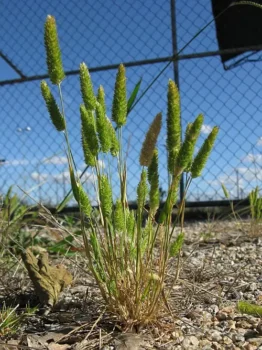
Mediterranean Hairgrass: A Delicate Annual for Dry Gardens
If you’re looking to add subtle texture and movement to your garden, Mediterranean hairgrass (Rostraria cristata) might catch your eye. This delicate annual grass brings a soft, naturalistic feel to landscapes, though it comes with some considerations worth exploring before you decide whether it’s right for your garden.
What is Mediterranean Hairgrass?
Mediterranean hairgrass is a small, fine-textured annual grass that’s native to the Mediterranean region of Southern Europe and North Africa. You might also see it listed under several scientific synonyms, including Festuca cristata, Koeleria gerardii, Koeleria phleoides, or Lophochloa cristata – botanists have been busy reclassifying this little grass over the years!
As a non-native species, Mediterranean hairgrass has established itself in various parts of the United States, where it reproduces naturally and persists without human intervention. It’s currently found growing in Alabama, Arizona, California, Florida, Louisiana, Maryland, New York, Oregon, Pennsylvania, South Carolina, and Texas.
- Species observed
- No observations
Garden Appeal and Design Role
Mediterranean hairgrass offers a delicate, wispy appearance that can add subtle movement and texture to garden spaces. Its fine foliage and feathery seed heads create an airy, naturalistic look that works particularly well in:
- Mediterranean-style gardens
- Xeriscapes and drought-tolerant landscapes
- Naturalized areas and wildflower meadows
- Rock gardens and dry slopes
The grass typically stays relatively small and low-growing, making it suitable as a ground cover or filler plant rather than a dramatic focal point.
Growing Conditions and Care
One of Mediterranean hairgrass’s strongest selling points is its low-maintenance nature. This tough little annual thrives in conditions that might stress other plants:
- Sunlight: Full sun exposure
- Soil: Well-drained soils, tolerates poor and sandy conditions
- Water: Drought tolerant once established, requires minimal irrigation
- Climate: Generally suited for USDA zones 8-10, though as an annual it can grow in various zones
Being an annual, Mediterranean hairgrass completes its entire life cycle in one growing season. It’s largely self-sufficient, often self-seeding for the following year with minimal intervention from gardeners.
Wildlife and Environmental Considerations
As a wind-pollinated grass, Mediterranean hairgrass doesn’t offer significant benefits to pollinators like bees and butterflies. Its wildlife value is generally limited compared to native plant alternatives.
Should You Plant Mediterranean Hairgrass?
Mediterranean hairgrass can be a reasonable choice for gardeners seeking a low-maintenance, drought-tolerant ground cover, especially in Mediterranean-climate regions. However, since it’s not native to North America, consider these factors:
Pros:
- Very low maintenance once established
- Excellent drought tolerance
- Adds subtle texture and movement
- Self-seeding annual
Considerations:
- Limited wildlife value
- Non-native status
- May not provide the ecological benefits of native alternatives
Native Alternatives to Consider
If you’re drawn to the delicate, grassy texture of Mediterranean hairgrass but want to support local ecosystems, consider these native alternatives that offer similar aesthetic appeal:
- Native bunch grasses specific to your region
- Little bluestem (Schizachyrium scoparium) for prairie regions
- Buffalo grass (Poaceae dactyloides) for dry western areas
- Regional sedges for areas needing fine-textured ground cover
These native options will provide similar visual appeal while supporting local wildlife and contributing to your area’s natural ecosystem.
Final Thoughts
Mediterranean hairgrass can serve as a functional, low-maintenance addition to dry gardens, particularly for gardeners in Mediterranean-climate regions. While it’s not problematic enough to avoid entirely, taking time to explore native alternatives might yield options that better serve both your garden goals and local wildlife. Whatever you choose, the key is creating a garden space that brings you joy while being mindful of your local ecosystem.