Mediterranean Sea Lavender: A Hardy Coastal Beauty for Your Garden
Looking for a plant that can handle tough conditions while delivering delicate, papery blooms? Mediterranean sea lavender (Limonium vulgare) might just be the resilient perennial you’ve been searching for. This hardy forb brings a touch of coastal charm to gardens far from the sea, though it’s worth knowing a bit about its background before you plant.
What Is Mediterranean Sea Lavender?
Despite its common name, Mediterranean sea lavender isn’t actually a lavender at all – it’s a member of the leadwort family. This perennial forb grows as a non-woody plant that dies back to ground level each winter, then returns reliably each spring. You might also see it listed under its old scientific name, Statice limonium.
Originally from the coastal regions of Europe and the Mediterranean, this plant has found its way to North American gardens and has naturalized in some areas, including parts of Montana, Ontario, and Saskatchewan. While it’s considered non-native here, it’s not currently listed as invasive or noxious.
- Species observed
- No observations
Why Gardeners Love (and Sometimes Avoid) This Plant
Mediterranean sea lavender has some serious advantages that make it appealing to many gardeners:
- Incredibly drought-tolerant once established
- Thrives in poor, sandy soils where other plants struggle
- Salt-tolerant, making it perfect for coastal properties
- Produces lovely dried flowers for arrangements
- Attracts pollinators like bees and butterflies
- Hardy in USDA zones 3-9
However, since it’s not native to North America, some gardeners prefer to choose indigenous alternatives that provide similar benefits while supporting local ecosystems. Native options like wild bergamot or sea thrift can offer comparable drought tolerance and pollinator appeal.
A Closer Look at Its Beauty
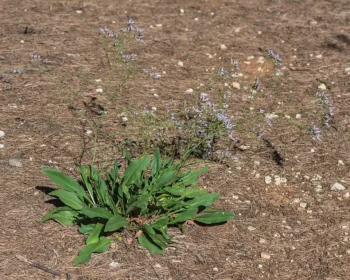
The real charm of Mediterranean sea lavender lies in its delicate, cloud-like flower clusters. Tiny purple-blue blooms appear in dense, branching sprays that seem to float above the silvery-green foliage. These papery flowers hold their color beautifully when dried, making them prized for everlasting arrangements.
The plant typically grows 12-18 inches tall and wide, forming neat clumps that work wonderfully in borders, rock gardens, or Mediterranean-style landscapes.
Perfect Growing Conditions
Think coastal and harsh when planning where to place Mediterranean sea lavender. This tough plant actually prefers challenging conditions:
- Sun: Full sun is essential – at least 6 hours daily
- Soil: Well-draining, sandy, or rocky soil; avoid heavy clay or constantly moist conditions
- Water: Drought-tolerant once established; overwatering can be more harmful than neglect
- Climate: Thrives in areas with hot, dry summers and cold winters
Planting and Care Made Simple
Growing Mediterranean sea lavender successfully is refreshingly straightforward:
Planting: Start with nursery plants in spring after the last frost. Space them 12-18 inches apart in your sunniest, driest spot. If your soil holds water, consider raised beds or adding coarse sand to improve drainage.
Watering: Water regularly the first season to help establish roots, then back off significantly. Mature plants rarely need supplemental watering except in extreme drought.
Maintenance: Deadhead spent flowers to encourage more blooms, or leave them for dried arrangements. Divide clumps every 3-4 years if they become crowded.
Winter care: Simply cut back the dead foliage in late fall or early spring – the roots will survive even harsh winters.
Garden Design Ideas
Mediterranean sea lavender shines in several garden settings:
- Rock gardens where its drought tolerance and delicate texture provide contrast
- Coastal gardens where salt spray won’t faze it
- Xeriscapes and water-wise landscapes
- Cutting gardens for fresh and dried flower arrangements
- Border fronts where its neat habit won’t overwhelm neighbors
Supporting Pollinators
While Mediterranean sea lavender isn’t native, it does provide nectar and pollen for various pollinators, including bees and butterflies. The small, densely packed flowers are particularly attractive to smaller beneficial insects.
The Bottom Line
Mediterranean sea lavender offers reliable beauty and remarkable toughness for gardeners dealing with challenging conditions. While it’s not native to North America, it’s currently not considered problematic either. If you’re drawn to its papery blooms and bulletproof nature, it can be a valuable addition to the right garden setting. Just remember to consider native alternatives first – your local ecosystem will thank you, and you might discover some equally beautiful and even better-adapted options for your specific region.