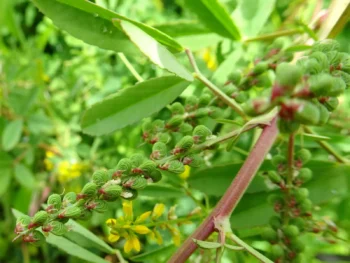
Mediterranean Sweetclover: A Hardy Annual for Naturalized Gardens
If you’re looking for a low-maintenance annual that can handle tough growing conditions, Mediterranean sweetclover (Melilotus sulcatus) might catch your attention. This unassuming member of the legume family has quietly established itself in select regions of the United States, offering both benefits and considerations for modern gardeners.
What Is Mediterranean Sweetclover?
Mediterranean sweetclover is a non-native annual forb that originally hails from the Mediterranean region. As its botanical name Melilotus sulcatus suggests (you might also see it listed under older names like Melilotus gracilis or Melilotus neapolitanus), this plant belongs to the sweetclover family. Unlike woody shrubs or trees, this herbaceous plant completes its entire life cycle in one growing season, making it a true annual.
As a forb, Mediterranean sweetclover lacks significant woody tissue and maintains a relatively soft, green stem structure throughout its growth. This characteristic makes it quite different from perennial woody plants and gives it a more delicate appearance in the landscape.
Where You’ll Find It Growing
Currently, Mediterranean sweetclover has established populations in Alabama, New Jersey, and Pennsylvania. While it’s considered an introduced species that reproduces spontaneously in the wild, its distribution remains relatively limited compared to some other non-native plants.
- Species observed
- No observations
Garden Appeal and Characteristics
Mediterranean sweetclover produces small, yellow flowers arranged in elongated clusters that add a subtle charm to naturalized areas. The blooms are particularly attractive to bees and other small pollinators, making this plant a decent choice for supporting local pollinator populations, even if it’s not native.
As an annual, this plant will complete its growth, flowering, and seed production within one growing season. This can be both an advantage and a consideration – while you won’t have to worry about it becoming a permanent landscape fixture, you may find it self-seeding in favorable conditions.
Growing Conditions and Care
One of Mediterranean sweetclover’s strongest selling points is its adaptability. This hardy annual can tolerate:
- Various soil types and conditions
- Drought conditions once established
- USDA hardiness zones approximately 6-9 (based on current distribution)
- Disturbed or poor soil sites
The plant’s legume heritage means it can fix nitrogen in the soil, potentially improving growing conditions for neighboring plants. This makes it particularly useful in areas where soil improvement is needed.
Best Uses in the Garden
Mediterranean sweetclover works best in:
- Naturalized meadow gardens
- Areas needing temporary ground cover
- Sites with challenging growing conditions
- Pollinator-friendly plantings (though native alternatives are preferable)
Its low-maintenance nature and ability to self-seed make it suitable for gardeners who prefer a more hands-off approach to annual plantings.
Planting and Care Tips
Growing Mediterranean sweetclover is refreshingly straightforward:
- Sow seeds directly in garden beds in early spring
- Requires minimal soil preparation – this plant isn’t fussy
- Water during establishment, then rely on natural rainfall
- Allow some plants to go to seed if you want volunteer plants next year
- Monitor for excessive self-seeding if that’s a concern in your area
Should You Plant Mediterranean Sweetclover?
While Mediterranean sweetclover isn’t invasive or noxious, its non-native status means it’s worth considering native alternatives first. If you’re drawn to its low-maintenance qualities and pollinator benefits, you might explore native annual wildflowers or legumes that offer similar characteristics while supporting local ecosystems more effectively.
That said, if you have a challenging site where few other plants thrive, or you’re working on soil improvement in a naturalized area, Mediterranean sweetclover can serve as a useful interim solution. Just keep an eye on its self-seeding tendencies and be prepared to manage volunteers if needed.
Remember, the best garden choices often depend on your specific site conditions, maintenance preferences, and conservation goals. Mediterranean sweetclover occupies an interesting niche as a non-native plant that’s neither particularly problematic nor particularly beneficial – making it a neutral option for specific gardening situations.