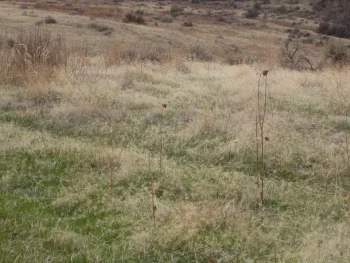
Medusahead: Why This Invasive Grass Should Stay Out of Your Garden
If you’ve stumbled across the name medusahead while researching grasses for your landscape, we need to have a serious chat. While the name Taeniatherum caputmedusae might sound exotic and intriguing, this annual grass is actually one of the most problematic invasive species in North America—and definitely not something you want anywhere near your garden.
What Exactly Is Medusahead?
Medusahead is a non-native annual grass that originally hails from the Mediterranean region, western Asia, and parts of Europe. This graminoid (that’s botanist-speak for grass-like plant) has made itself quite unwelcome across the American West since its introduction. You might also see it listed under several scientific synonyms, including Elymus caput-medusae or Taeniatherum crinitum var. caput-medusae, but they’re all referring to the same troublesome plant.
Where You’ll Find This Unwanted Guest
Medusahead has spread its invasive presence across multiple states, primarily in the western United States. Currently, it’s established in California, Idaho, Montana, Nevada, Oregon, Utah, and Washington. Surprisingly, it’s also popped up in some eastern states including Connecticut, New York, and Pennsylvania. The fact that Wisconsin has classified it as Prohibited tells you everything you need to know about how seriously land managers take this invasive threat.
- Species observed
- No observations
Why Medusahead Is Bad News for Gardens and Landscapes
Here’s where things get serious. Medusahead isn’t just an innocent little grass that happened to wander into the wrong neighborhood. This species is an aggressive invader that:
- Forms dense monocultures that crowd out native plants
- Provides little to no wildlife benefit
- Creates fire hazards due to its dry, persistent thatch
- Degrades habitat quality for native wildlife
- Reduces biodiversity in natural areas
The plant gets its common name from the twisted, snake-like appearance of its seed awns, which might look interesting but are actually part of what makes it so successful at spreading and establishing in new areas.
Our Strong Recommendation: Don’t Plant It!
We cannot stress this enough: medusahead should never be intentionally planted in gardens, landscapes, or restoration projects. Its invasive status and ecological damage far outweigh any potential benefits. In fact, if you discover medusahead growing on your property, the best course of action is to remove it before it can spread further.
Better Alternatives for Your Garden
Instead of medusahead, consider these beautiful native grasses that will actually benefit your local ecosystem:
- Blue grama (Bouteloua gracilis) for western gardens
- Buffalo grass (Poaceae dactyloides) for drought-tolerant lawns
- Little bluestem (Schizachyrium scoparium) for ornamental appeal
- Sideoats grama (Bouteloua curtipendula) for natural landscapes
If You Spot Medusahead
If you think you’ve identified medusahead in your area, contact your local extension office or land management agency. Early detection and rapid response are crucial for preventing this invasive species from gaining a foothold in new areas. Remember, the best defense against invasive plants is choosing native species that support local wildlife and ecosystems instead.
When it comes to medusahead, the message is clear: this is one plant that deserves to stay out of American gardens for good. Your local ecosystem will thank you for choosing native alternatives instead!